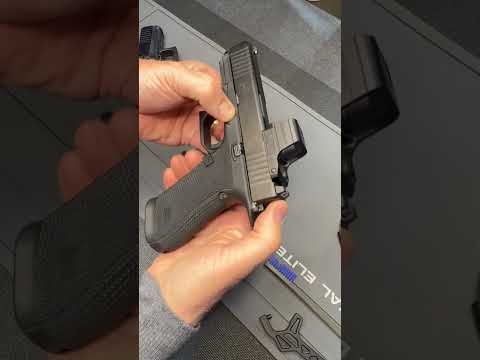
OEM Glocks or Aftermarket Glocks?

Published on December 11, 2022
Duration: 7:17

This guide details the process of customizing Glock firearms, distinguishing between maintaining OEM reliability and building custom EDC pistols. It emphasizes using quality aftermarket parts for slides, barrels, triggers, and optics, while also highlighting the critical importance of thorough testing and maintenance for ensuring firearm reliability. The speaker, an experienced firearms instructor, shares insights from extensive personal use and modification of various Glock models.

Quick Summary

Expert firearms instructor discusses OEM vs. aftermarket Glocks, emphasizing that while custom builds can be 100% reliable, maintaining at least one OEM Glock as a baseline is crucial. Key to EDC reliability is rigorous testing, thorough maintenance, and using quality aftermarket parts from brands like Apex, Holosun, and Henning Group.

Chapters

  1. 00:00OEM vs Aftermarket Glock Introduction
  2. 00:31The OEM Glock Philosophy
  3. 00:55OEM Glock Modifications
  4. 01:11Custom Build Philosophy
  5. 01:27Custom Glock 26 Build Details
  6. 02:50Custom Glock 43 Build Details
  7. 04:44Glock 43 Sights and Base Plate
  8. 05:36Simple EDC Setup
  9. 06:07Importance of Maintenance & Testing

Frequently Asked Questions

What is the core philosophy behind maintaining OEM Glocks?

The core philosophy is to maintain at least one 100% OEM Glock of each model owned as a reliable baseline. This ensures a functional firearm for comparison and as a dependable option, especially if it's the only pistol of that specific model.

What are considered safe modifications for an OEM Glock?

For OEM Glocks intended as a reliable baseline, safe modifications typically include non-critical components like night sights (e.g., Ameriglo I-Dots), back plates, and base plates. It's crucial to use quality brands for these parts to avoid compromising function.

How can one ensure reliability in a custom Glock build?

Reliability in a custom Glock build is achieved through rigorous vetting and testing of all aftermarket parts. This includes using components from reputable manufacturers for slides, barrels, and triggers, and then extensively testing the firearm at the range to allow parts to 'mend' and 'form'.

What are the essential steps for ensuring an EDC firearm's reliability?

Ensuring an EDC firearm's reliability involves consistent maintenance, thorough cleaning beyond simple field stripping, and extensive range testing. This process allows you to vet the firearm and its components, ensuring they function flawlessly under stress.

Related News

All News →

More Gunsmithing & DIY Videos You Might Like

More from SPN Firearms

View all →