Origins of the Legendary CZ-75: Short Rail and Pre-B Models

Published on November 28, 2025
Duration: 29:15

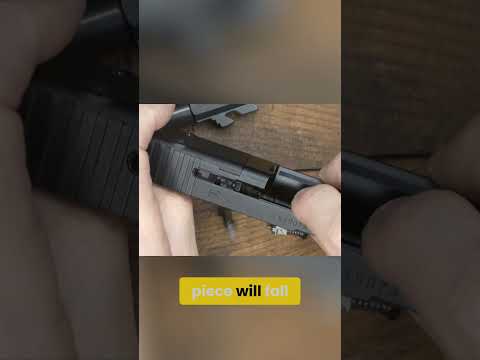
This guide details the field stripping process for the CZ-75 Short Rail and Pre-B models, focusing on the unique internal mechanics. It highlights the importance of proper disassembly for maintenance and understanding the design evolution from early variants. The information is presented with the authority of a firearms historian and instructor.

Quick Summary

The CZ-75 Short Rail and Pre-B models, developed in communist Czechoslovakia, were designed for export. While sharing the double-stack magazine concept with the Browning Hi-Power, their internal slide rail mechanics are more akin to the SIG P210. Early models featured a short rail and were prone to frame cracking, leading to the development of full-length rails and cast frames.

Chapters

  1. 00:00Introduction to CZ-75 Pre-B
  2. 01:20Historical Context and Export Strategy
  3. 03:38The Koucký Brothers and Design Brief
  4. 05:25Design Influences: Hi-Power and SIG P210
  5. 07:04The Short Rail Model Features
  6. 09:25Disassembly and Internal Mechanics
  7. 14:15Transition to Full Rail and Casting
  8. 17:52Evolution of Finishes and Safety
  9. 19:43Late Pre-B Variations
  10. 23:34The Patent Mystery

Frequently Asked Questions

What are the key differences between the CZ-75 Short Rail and later models?

The CZ-75 Short Rail features a shorter frame rail, right-handed controls, and initially lacked a half-cock notch. Later models, like the Pre-B and CZ-75 B, introduced full-length rails, updated finishes, and improved safety features in response to design evolution and user feedback.

What were the primary design influences for the CZ-75?

While often compared to the Browning Hi-Power for its double-stack magazine, the CZ-75's internal slide rail system draws more heavily from the SIG P210. The magazine capacity was improved by František Koucký from 13 to 15 rounds.

Why is the CZ-75 considered one of the most copied pistols?

The Czechoslovakian military classified the CZ-75's patents as 'secret' but failed to enforce them internationally upon the pistol's commercial release. This lack of protection allowed numerous manufacturers worldwide to replicate its design without licensing.

What manufacturing changes occurred during the CZ-75's early production?

Early CZ-75 Short Rail models used forged and milled steel frames. Around 1980, CZ transitioned to investment casting for frames, initially outsourcing to Alpha (Spain), and also introduced full-length rails to address cracking issues.

More Gunsmithing & DIY Videos You Might Like

More from Forgotten Weapons

View all →