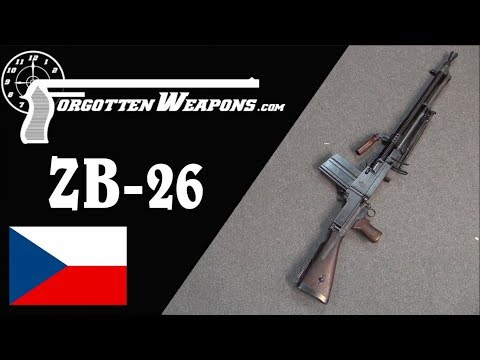
Praga I-23: Prototype Belt-Fed Predecessor of the ZB26

Published on February 3, 2025
Duration: 15:15

This guide details the field stripping and operational mechanics of the Praga I-23 prototype light machine gun, a precursor to the ZB26. It covers disassembly of key components like the barrel, bolt, and gas system, emphasizing its unique belt-fed operation and historical context. Instruction is provided by Ian McCollum, demonstrating high expertise in historical firearms.

Quick Summary

The Praga I-23 is a prototype light machine gun designed by Vaclav Holek, serving as a key predecessor to the ZB26 and Bren gun. It features a gas-operated, tilting bolt action, fires 8mm Mauser from a belt-fed system using Maxim-style belts, and was tested in 1924 Czechoslovak trials.

Chapters

  1. 00:00Introduction to the Praga I-23
  2. 01:22Historical Context and Trials
  3. 02:40Belt-Fed System Mechanics
  4. 04:10External Features and Controls
  5. 05:17Barrel and Gas System
  6. 06:49Internal Disassembly and Fire Control
  7. 11:23Bolt Cycling and Operation
  8. 12:43Conclusion and Legacy

Frequently Asked Questions

What is the Praga I-23?

The Praga I-23 is a prototype light machine gun designed by Vaclav Holek. It served as a crucial developmental predecessor to the famous ZB26 and the subsequent Bren gun, representing a transition between older Maxim concepts and the ZB26 architecture.

What caliber does the Praga I-23 use?

The Praga I-23 prototype is chambered in 8mm Mauser and utilizes German Maxim-style belts for this ammunition. The belt feed system is a distinctive feature of this early design.

What historical trials was the Praga I-23 part of?

In 1924, the Praga I-23 was tested during major Czechoslovak light machine gun trials. It competed against numerous domestic and foreign designs, including the Madsen, Lewis, BAR, and Vickers-Berthier.

How does the Praga I-23's belt feed system work?

The Praga I-23 features a unique belt-fed system using a drum-style belt box. The belt feeds from the bottom and exits on the same side, an unconventional arrangement for a light machine gun of that era.

Related News

All News →

More Gunsmithing & DIY Videos You Might Like

More from Forgotten Weapons

View all →