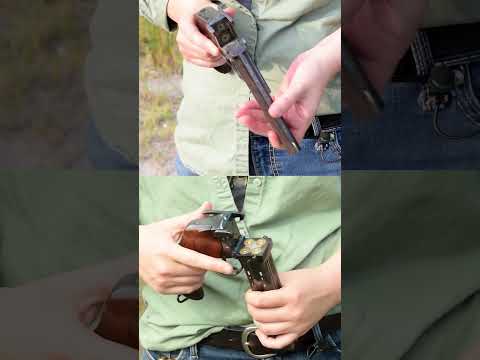
Primer 215: Belgian Mauser 1935

Published on November 25, 2025
Duration: 37:21

This guide covers the general operation and maintenance of the Belgian Mauser Model 1935, a bolt-action rifle with a rich history. It emphasizes safety, familiarization with its Mauser 98 pattern action, and basic cleaning procedures. The rifle, chambered in 7.65x53mm Belgian, was a significant piece of Belgian military hardware during the interwar period.


Quick Summary

The Belgian Mauser Model 1935 is a bolt-action rifle chambered in 7.65x53mm Belgian, featuring a Mauser 98 pattern action and a fixed 5-round magazine. Adopted due to interwar rearmament needs, it incorporated surplus German Gewehr 98 receivers and parts. Despite its quality, its service life was cut short by the 1940 German invasion.

Chapters

  1. 00:45Introduction to the Belgian Mauser Model 1935
  2. 01:54Historical Context and Mauser Evolution
  3. 04:35Post-WWI Belgian Arms Landscape
  4. 08:13Ammunition Evolution and Rearmament
  5. 12:02Model 1935 Construction and Features
  6. 17:35Markings and Bayonets
  7. 19:02Shooting Demonstration and Performance
  8. 24:25WWII Service and German Capture

Frequently Asked Questions

What caliber is the Belgian Mauser Model 1935 chambered in?

The Belgian Mauser Model 1935 is chambered in the 7.65x53mm Belgian cartridge, which was Mauser's first smokeless powder cartridge and was developed for the earlier Model 1889 rifle.

What are the key features of the Belgian Mauser Model 1935?

Key features include a bolt action based on the Mauser 98 pattern, a fixed double-stack box magazine fed by stripper clips, a tangent rear sight, and the crest of King Leopold III on the receiver. It also utilized surplus Gewehr 98 receivers.

What was the historical context for the adoption of the Belgian Mauser Model 1935?

The Model 1935 was adopted in the 1930s due to Belgian rearmament prompted by the rise of Adolf Hitler, following delays and a mix of surplus arms after WWI.

How did the Belgian Mauser Model 1935 perform in service?

Despite its technical quality, the rifle had a limited service life due to the rapid German invasion in 1940. Many were captured and designated Gewehr 262(b) by German forces.

More Gunsmithing & DIY Videos You Might Like

More from C&Rsenal

View all →