Primer 216: Belgian Mauser 1889/36

Published on December 9, 2025
Duration: 37:33

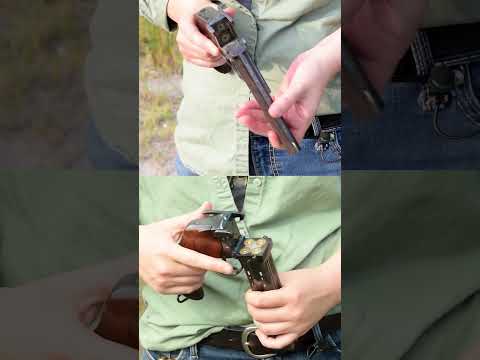
This guide outlines the complex conversion process of the Belgian Mauser 1889/36, transforming it from a 'cock-on-close' to a 'cock-on-open' action. The video details significant metalworking, including bolt modification and stock alterations, to modernize older rifles to a 1935 standard. Expert analysis highlights the extensive effort involved in this 'missing link' firearm.


Quick Summary

The Belgian Mauser 1889/36 is a modernized variant of the Model 1889, converted to a 'cock-on-open' action and featuring updated sights and barrel bands. Firing 7.65x53mm Belgian Mauser, it has a 5-round capacity, 43-inch length, and 8.5 lb weight. Conversions were done by MAE and AEP, and it saw service in the Belgian Congo.

Chapters

  1. 00:00Introduction and Basic Specs
  2. 01:51Historical Context and Development
  3. 02:52Manufacturing and Arsenals
  4. 08:42Technical Breakdown and Comparison
  5. 16:32Stock and Barrel Modifications
  6. 19:07Live Fire and Service History
  7. 27:31Expert Discussion and Conclusion

Frequently Asked Questions

What is the Belgian Mauser 1889/36?

The Belgian Mauser 1889/36 is a modernized variant of Belgium's first smokeless rifle, the Model 1889. It was converted post-WWI to update existing rifles and carbines to a 'cock-on-open' action, similar to the Mauser 1898 pattern, and adopted features of the Belgian Model 1935.

Who manufactured the Belgian Mauser 1889/36 conversions?

The conversions were primarily carried out by the state-owned Manufacture d'Armes de l'Etat (MAE) in Belgium. Some work was also performed by the private firm Anciens Etablissements Pieper (AEP).

What are the key technical specifications of the Belgian Mauser 1889/36?

The 1889/36 typically features a bolt action, fires 7.65x53mm Belgian Mauser, has a 5-round capacity, an overall length of 43 inches (109.2 cm), and weighs approximately 8.5 lbs (3.85 kg). It was converted to a 'cock-on-open' action.

Where did the Belgian Mauser 1889/36 see service?

After conversion, the 1889/36 rifles served with the Belgian military, including significant use in the Belgian Congo with the Force Publique in campaigns across East Africa and Nigeria. Many were also captured by Germany during WWII.

More Gunsmithing & DIY Videos You Might Like

More from C&Rsenal

View all →