Repairing Pitting in a Shotgun Barrel | MidwayUSA Gunsmithing

Published on May 15, 2013
Duration: 2:10

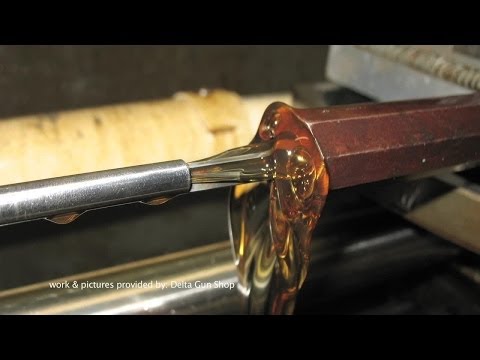
This guide details the process of repairing pitting in older shotgun barrels using a Sunnen honing tool, as demonstrated by expert gunsmith Larry Potterfield. It emphasizes the importance of protecting the choke by measuring its taper and using a stop collar. The procedure involves a progression of abrasive grits, starting with 80-grit and moving to finer grits, while carefully monitoring barrel wall thickness and maintaining proper tool tension. This technique ensures the firearm can be safely used after addressing bore imperfections.

Quick Summary

Repairing shotgun barrel pitting involves using a Sunnen honing tool with progressively finer abrasive grits (e.g., 80 to 150) while carefully monitoring barrel wall thickness. Protecting the choke requires measuring its taper and using a stop collar on the honing tool. Proper lubrication and consistent stone tension are essential for safe and effective restoration.

Chapters

  1. 00:00Introduction to Barrel Pitting
  2. 00:17The Sunnen Honing Tool
  3. 00:36Measuring Choke Depth
  4. 00:50Initial Polishing Process
  5. 01:21Tool Adjustment and Finishing

Frequently Asked Questions

What tools are needed to repair pitting in a shotgun barrel?

You'll need a specialized Sunnen Shotgun Bore Hone, a Milwaukee electric drill, a bore gauge to measure choke depth, a stop collar for the hone shaft, and abrasive stones in various grits (e.g., 80 and 150). Oil is also required for lubrication during the process.

How do you protect the choke when honing a shotgun barrel?

Protecting the choke involves first using a bore gauge to accurately determine where the choke taper begins. Then, a stop collar is fitted to the honing tool's shaft to physically prevent the tool from entering the constricted choke area.

What is the process for removing shotgun barrel pitting?

The process involves using a Sunnen hone with progressively finer grit stones. Start with coarser grits (like 80) to remove pitting while monitoring barrel wall thickness, then move to finer grits (like 150) for polishing. Lubricate the bore and tool, and maintain consistent stone tension.

Why is monitoring barrel wall thickness important during honing?

Monitoring barrel wall thickness is critical to ensure you do not remove too much metal. Over-honing can weaken the barrel, compromising its structural integrity and making it unsafe to fire under normal pressures.

More Gunsmithing & DIY Videos You Might Like

More from MidwayUSA

View all →