This video provides an in-depth look at the legendary Parker shotgun, covering its history, manufacturing, various grades, and specific models. It highlights the craftsmanship and customization options available, discussing the differences between models like the Trojan and Invincible, and the significance of frame sizes and gauge designations. The discussion also touches on the challenges of preserving these classic firearms and their enduring appeal to collectors and shooters alike.
This episode of Gun Gripes features Eric from Iraqveteran8888 and Mark from C&Rsenal discussing the critical differences between firearm restoration, conservation, and 'Bubba-izing' collectible guns. Mark, a gunsmith specializing in restoration, strongly advocates for proactive maintenance to prevent rust and decay, emphasizing that 'patina' is often an excuse for neglect. The discussion highlights the importance of preserving historical firearms for future generations, distinguishing between conservation (stopping decay) and restoration (making it like new), while acknowledging that original condition is irreversible. Examples like an 1857 rifle and a Mosin carbine illustrate the decision-making process for handling firearms with varying degrees of wear and damage, stressing that 'condition is king' and conservation should always be the first step.
This guide details the process of lengthening the chamber on an antique Parker 12-gauge shotgun from 2.5 inches to 2.75 inches to accommodate modern shells. Expert gunsmith Larry Potterfield demonstrates the use of specialized tools like a piloted chamber reamer and emphasizes meticulous cleaning and lubrication for a safe and effective modification. The process requires precision and adherence to specific steps to ensure proper chamber dimensions.
This guide details the process of reloading 10 Gauge solid brass shotgun shells, a technique common from the late 19th century until WWII. It covers tool and component selection, case preparation including custom trimming and sizing for vintage firearms like the Parker Double Barrel Shotgun, and specific loading procedures for primers, black powder charges, wads, and shot. The guide emphasizes using 9-gauge wads for 10-gauge brass cases and sealing the shell with sodium silicate or cement. Instruction is provided by Larry Potterfield, founder of MidwayUSA and a recognized expert in gunsmithing.
This guide details the expert process of crafting a custom flat-top checkering cutter, a specialized tool for replicating vintage firearm checkering patterns. Master Gunsmith Larry Potterfield demonstrates the precise metalworking techniques required, from shaping and hardening the O1 drill rod to filing the intricate teeth. The resulting tool is essential for firearm restoration and custom stock work, allowing for the precise reproduction of historical checkering styles found on pieces like Westley Richards shotguns and Swiss Vetterli rifles.
This guide details the process of repairing broken gun parts using TIG welding, as demonstrated by expert gunsmith Larry Potterfield. It covers essential preparation steps like removing old brazing to prevent contamination, the TIG welding process itself for precision control, and crucial finishing techniques including filing, the use of layout dye for fitting, and final adjustments with abrasive paper. The instruction emphasizes meticulous work for restoring functionality to older firearms.
This guide details the advanced gunsmithing technique of rejoining loose barrels on a double-barrel shotgun, often referred to as 'putting back on face.' Expert gunsmith Larry Potterfield demonstrates the process, which involves welding material onto the barrel lug hook and then meticulously filing and fitting it back into the receiver. The crucial 'smoking' technique is used to identify high spots for precise fitting, ensuring the shotgun locks up tightly and safely.
This guide details the 'striking' process for restoring antique shotgun barrels, specifically an Antique Parker Shotgun. Expert gunsmith Larry Potterfield demonstrates techniques for removing nicks and scratches using files and abrasive paper, emphasizing preparation for final polishing. The process is labor-intensive but crucial for achieving a high-quality finish on vintage firearms.
This guide details the process of opening fixed chokes on a Parker Shotgun, as demonstrated by expert gunsmith Larry Potterfield. The procedure involves using specialized reamers and custom bushings to precisely reduce muzzle constriction, allowing for more open choke patterns suitable for specific shooting applications. Proper lubrication and manual control are emphasized for a safe and effective outcome.
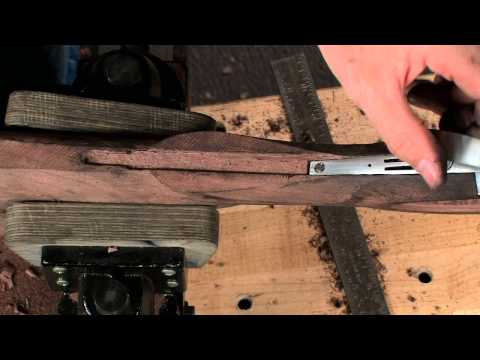
This guide details the process of inletting a trigger guard into a shotgun buttstock, specifically demonstrated on an old Parker stock. The steps involve precise marking, careful wood removal using chisels and scrapers, fitting with a mallet, and finally drilling and securing the screw holes. While potentially messy and requiring patience, the job is presented as straightforward.
This guide details a metal polishing technique for firearm parts presented by Larry Potterfield of MidwayUSA. It covers preparing pitted surfaces with files, using fixtures for small parts, and progressing through abrasive grits (100 to 320) for a smooth finish. The process is described as more difficult than sanding wood, emphasizing the need for careful effort.
You've reached the end! 11 videos loaded.
Gun Laws by State
Read firearms regulations for all 50 states + D.C.
Find Gun Dealers
Search licensed FFL dealers near you.