Striking the Barrels on an Antique Parker Shotgun | MidwayUSA Gunsmithing

Published on May 17, 2013
Duration: 1:58

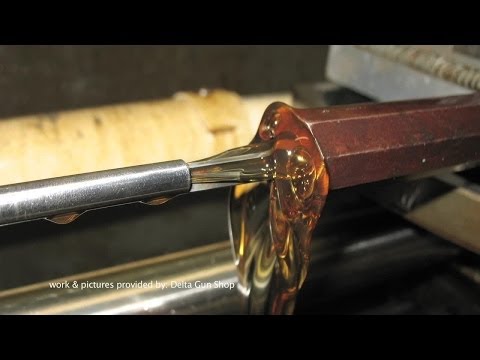
This guide details the 'striking' process for restoring antique shotgun barrels, specifically an Antique Parker Shotgun. Expert gunsmith Larry Potterfield demonstrates techniques for removing nicks and scratches using files and abrasive paper, emphasizing preparation for final polishing. The process is labor-intensive but crucial for achieving a high-quality finish on vintage firearms.

Quick Summary

The 'striking' process in gunsmithing involves hand-sanding and filing to meticulously remove nicks and scratches from firearm surfaces, particularly antique shotguns. This labor-intensive technique prepares the metal for a high-quality final polish, ensuring a smooth and aesthetically pleasing finish. Tools like specialized files and abrasive paper are used with precision.

Chapters

  1. 00:00Introduction to Striking Barrels
  2. 00:16Sanding the Top Rib
  3. 00:35Sanding the Barrel Surfaces
  4. 00:59Filing Deep Pits
  5. 01:20Detail Work Near the Rib
  6. 01:47Conclusion

Frequently Asked Questions

What is the 'striking' process in gunsmithing?

Striking is a meticulous gunsmithing process used on antique firearms like the Parker Shotgun. It involves careful hand-sanding and filing to remove imperfections such as nicks and scratches, creating a smooth surface essential for final polishing.

How do you prepare an antique shotgun barrel for final polishing?

The preparation involves a process called 'striking,' which includes sanding down imperfections with abrasive paper and using files to remove deeper pits. Techniques like chalking files and using custom tools for tight areas are employed to ensure a flawless finish.

What tools are needed for striking shotgun barrels?

Essential tools include various grits of abrasive paper (like 80-grit), a wooden dowel for backing, masking tape, a sanding block, smooth files, and potentially custom-ground files for detailed work in tight areas near ribs.

Why is chalk applied to files during gunsmithing?

Applying chalk to a file's teeth serves as a lubricant and prevents metal particles from clogging the file's cutting edges. This 'anti-clogging' action is crucial for preventing deeper scratches and ensuring a cleaner, more effective metal removal process.

Related News

All News →

More Gunsmithing & DIY Videos You Might Like

More from MidwayUSA

View all →