SKS complete review and history with Jerry Miculek (4K UHD)

Published on December 5, 2014
Duration: 25:48

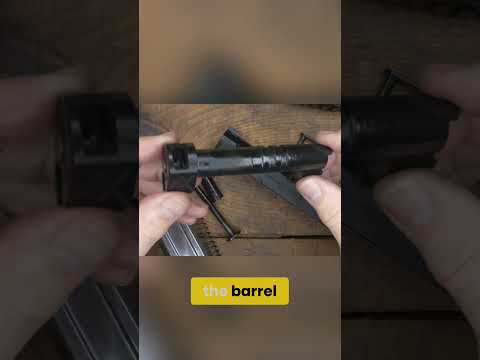
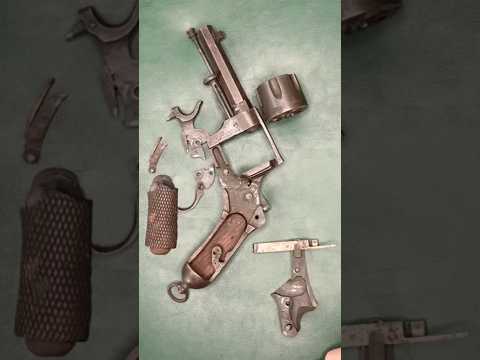
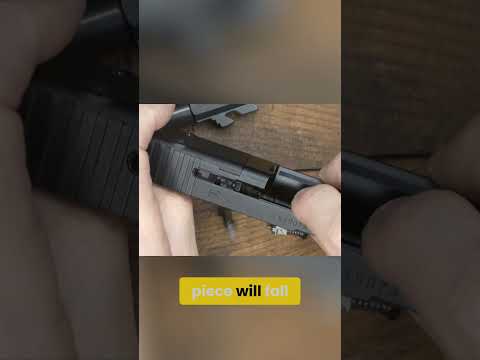
This guide details the field stripping process for the SKS rifle, as demonstrated by Jerry Miculek. It emphasizes critical safety procedures, particularly concerning the free-floating firing pin, which can cause slam fires if obstructed. The guide covers disassembly of the bolt carrier, return spring, gas tube, piston, and trigger group, providing essential knowledge for maintenance and safe handling.

Quick Summary

Jerry Miculek highlights a critical safety warning for the SKS: its free-floating firing pin can cause slam fires if stuck forward due to cosmoline or rust. Proper field stripping and maintenance are essential. He also notes the rifle's practical accuracy at 200m but limitations at 400m due to the 7.62x39mm cartridge's ballistics.

Chapters

  1. 00:00Introduction and Loading
  2. 01:26Rapid Fire Performance
  3. 02:34Trigger and Recoil Mechanics
  4. 06:32200-Meter Accuracy Test
  5. 08:33400-Meter Long Range Test
  6. 11:29History and Design Origins
  7. 13:29Manufacturing Variations
  8. 15:27Disassembly and Safety Warning
  9. 19:58Ammunition Evolution

Frequently Asked Questions

What are the key historical influences on the SKS rifle's design?

The SKS rifle's design, particularly its intermediate cartridge (7.62x39mm), was heavily influenced by the German Sturmgewehr (StG 44) and its 8mm intermediate cartridge. This led to the development of a new round optimized for semi-automatic rifles issued by the Soviet military starting in 1945.

What are the main differences between Chinese and Russian SKS models?

Early Russian SKS models typically featured milled receivers with screwed-in barrels. Later Chinese variants often used more economical construction methods, including pinned barrels and cast parts, reflecting different manufacturing priorities and cost considerations.

What is the critical safety concern when field stripping an SKS rifle?

The most critical safety concern is the free-floating firing pin. If it becomes stuck forward due to cosmoline or rust, the SKS can experience a 'slam fire' or discharge automatically. Always check its free movement during disassembly and reassembly.

How does the 7.62x39mm cartridge perform at extended ranges like 400 meters?

At 400 meters, the 7.62x39mm cartridge, especially with a 123-grain bullet, exhibits poor ballistic coefficient, requiring a substantial holdover (estimated 30 inches) for accurate hits. Its effectiveness diminishes significantly beyond 300-400 meters compared to full-power rifle cartridges.

More Gunsmithing & DIY Videos You Might Like

More from Lena Miculek - Trigger Tribe

View all →