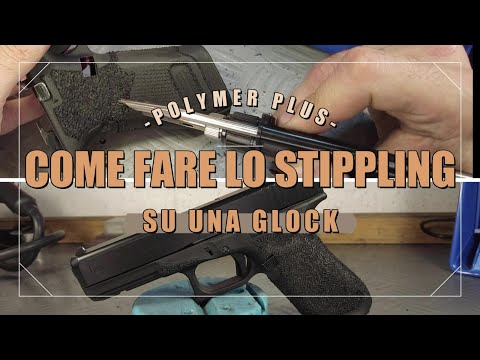
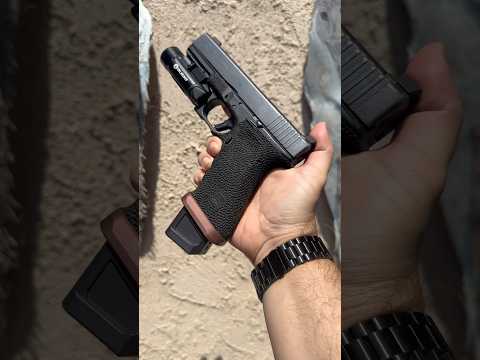
Stippling the yeet cannon.... Let's talk about it.

Published on January 17, 2020
Duration: 16:15

This guide details the process of stippling a handgun frame for improved grip, emphasizing the 'why' behind the modification and offering practical advice. The instructor, Chris from Regular Guy Training LLC, explains that while not strictly necessary, stippling significantly enhances grip quality in various conditions like rain, mud, or with wet hands. He advises against stippling the underside of the trigger guard and the backstrap, focusing instead on areas where the hand makes consistent contact. The process involves using a soldering iron to create a porous texture that allows the skin to 'sink in,' preventing the firearm from shifting during recoil or manipulation. The instructor also shares tips on managing melted plastic on the soldering iron and ensuring all controls remain functional.


Quick Summary

Stippling a handgun frame significantly improves grip by creating a porous texture that allows skin to sink in, enhancing traction in adverse conditions like rain or with wet hands. Focus on palm swells and side panels, avoiding the trigger guard underside and backstrap to maintain comfort and functionality.

Chapters

  1. 00:00Introduction to Stippling
  2. 00:23The Need for Stippling
  3. 01:14Critique of Stock Texturing
  4. 02:01How Stippling Works
  5. 03:31Grip Consistency
  6. 04:00Debunking Grip Myths
  7. 05:04Over-Gripping and Stippling
  8. 05:29Testing the Need for Stippling
  9. 06:53Hand Placement on Handgun
  10. 08:04Consistency in All Environments
  11. 08:16Areas to Avoid Stippling
  12. 09:49Stippling Process and Tools
  13. 10:15Managing Melted Plastic
  14. 11:32Using Weights for Stability
  15. 12:05Aesthetics and Resale Value
  16. 13:12Long-Term Grip Feel
  17. 13:33Maintaining Functionality
  18. 14:14Training Opportunities
  19. 15:45Upcoming Content

Frequently Asked Questions

Why is stippling important for handgun grip?

Stippling significantly enhances handgun grip by creating a porous texture that allows your skin to sink in, providing superior traction in wet, muddy, or gloved conditions. This prevents the firearm from shifting during recoil and reduces the need for constant grip adjustments, leading to more consistent shooting.

What are the best areas to stipple on a handgun frame?

Focus stippling on areas where your hands make consistent contact: the palm swell, finger grooves, and side panels. These are the critical zones for maintaining a secure and stable grip throughout the firing process and during firearm manipulation.

What parts of a handgun frame should NOT be stippled?

Avoid stippling the underside of the trigger guard, as it can cause discomfort and is not a primary grip area. Also, refrain from stippling the backstrap, particularly the upper portion, as it serves as a reference point for drawing and a contact area for the palm during recoil.

What tools are needed for stippling a handgun frame?

The primary tool for stippling is a soldering iron. You may also want sandpaper for smoothing any sharp edges after the stippling process is complete. Ensure the soldering iron tip is clean for best results.

More Gunsmithing & DIY Videos You Might Like

More from Regular Guy Training LLC

View all →