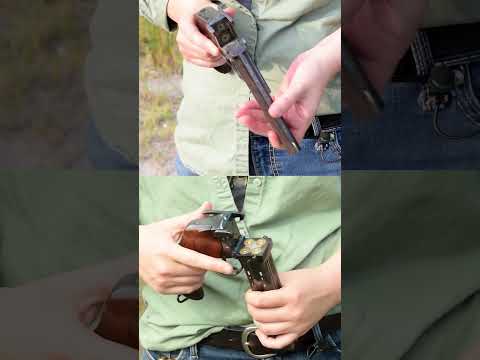
The Mexican Obregón

Published on January 26, 2024
Duration: 1:00

This guide details the disassembly and mechanical observation of the Mexican Obregón pistol, highlighting its unique rotary lock barrel system and captive recoil spring. The demonstration, presented with high authority by C&Rsenal, contrasts its operation with the more common 1911 tilting barrel design. It's an informative session for those interested in historical firearm mechanisms.

Quick Summary

The Mexican Obregón pistol is mechanically unique due to its rotary lock recoil-operated action, causing the barrel to rotate for locking, unlike the tilting barrel of a 1911. It also features a captive recoil spring assembly and is chambered in .45 ACP (11.43mm).

Chapters

  1. 00:00Introduction to the Mexican Obregón
  2. 00:12Recoil Spring Design
  3. 00:23Rotary Lock Mechanism
  4. 00:33Mechanical Demonstration

Frequently Asked Questions

What makes the Mexican Obregón pistol mechanically unique?

The Mexican Obregón is distinguished by its rotary lock recoil-operated action, which causes the barrel to rotate rather than tilt, unlike the common 1911 design. It also features a captive recoil spring assembly.

How does the Obregón's barrel locking system work?

The Obregón's barrel locks via a rotary mechanism. Helical grooves inside the slide engage with lugs on the barrel, causing it to rotate and lock into place during operation.

What caliber is the Mexican Obregón pistol chambered in?

The Mexican Obregón pistol is chambered in .45 ACP, which is equivalent to 11.43mm. This was a common and effective caliber for pistols of its era.

How does the Obregón's recoil spring differ from a 1911?

The Obregón utilizes a captive recoil spring assembly, meaning the spring is contained and guided in a specific manner, differing from the standard recoil spring setup found in many 1911 pistols.

Related News

All News →

More Gunsmithing & DIY Videos You Might Like

More from C&Rsenal

View all →