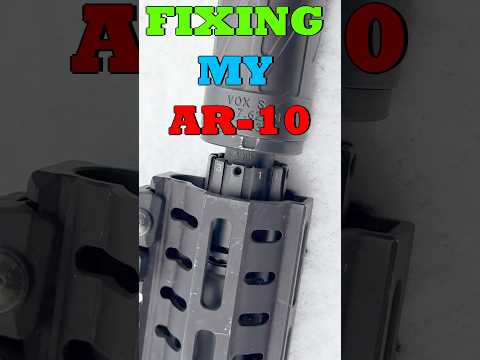
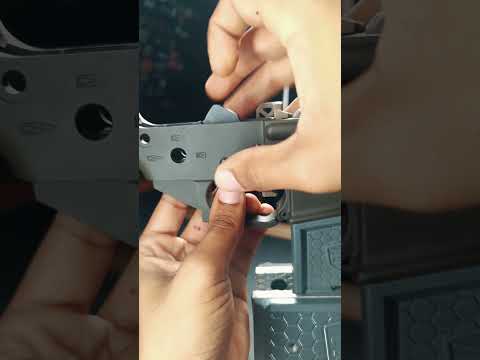
Time to Build Your AR-10 Upper & Lower? Tools, Tips, Close-Up’s & How To Do It Right. | Episode #3

Published on June 30, 2023
Duration: 14:15

This guide details the AR-10 upper and lower receiver assembly process, emphasizing correct order of operations and essential tools. Key steps include proper barrel installation with specific torque values (65 ft-lbs for Aero M5), installing the forward assist and dust cover, and assembling the lower receiver with tips for managing small parts. It also covers safety selector and takedown pin installation, noting unique features of the Aero M5.

Quick Summary

Essential tools for an AR-10 build include mallets, pliers, bit sets, and torque drivers. For an Aero M5, torque the barrel nut to 65 ft-lbs. Avoid installing the dust cover before the barrel, and use a box to catch small parts during lower assembly.

Chapters

  1. 00:00Introduction to AR-10 Building
  2. 01:20Essential Tool Breakdown
  3. 03:45Upper Receiver Assembly
  4. 06:02Lower Receiver Assembly
  5. 11:17Safety Selector and Takedown Pins

Frequently Asked Questions

What are the essential tools needed for building an AR-10?

Essential tools include rubber and brass mallets, Knipex pliers, needle-nose pliers, various bit sets (Torx, Allen, Flathead, Phillips), inch-pound torque drivers, and foot-pound torque wrenches. Specialized tools like the Real Avid armorer's wrench are also highly recommended for ease of assembly.

What is the correct torque specification for an AR-10 barrel nut?

For an Aero M5 AR-10 upper receiver, the barrel nut should be torqued to 65 ft-lbs. It's crucial to use a calibrated torque wrench and follow the manufacturer's specifications to avoid damage.

What is a common mistake to avoid when assembling an AR-10 upper receiver?

A common mistake is installing the dust cover before the barrel. The correct order of operations is crucial; always install the barrel first, then proceed with components like the forward assist and dust cover.

How can I prevent losing small parts during AR-10 lower receiver assembly?

To prevent losing small springs and detents, use a small box or tray to catch them as they are installed or removed. This simple trick helps manage tiny components and avoids frustration during the build.

More Gunsmithing & DIY Videos You Might Like

More from AT3 Tactical

View all →