Two-tone 1911 from World War 2? #1911pistol

Published on February 12, 2024
Duration: 0:55

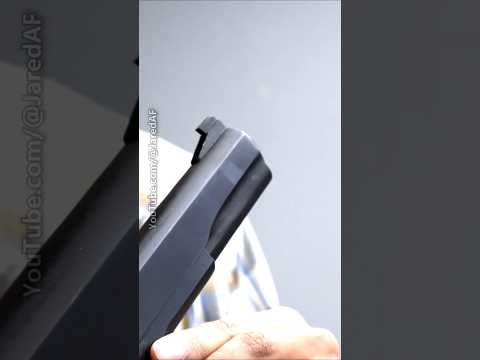
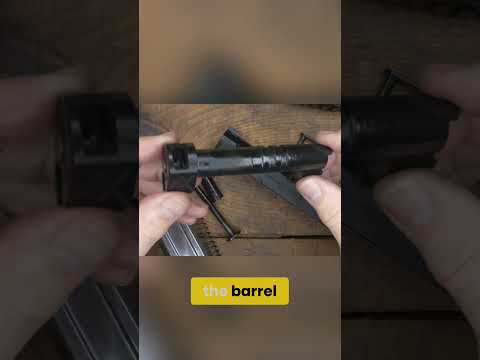
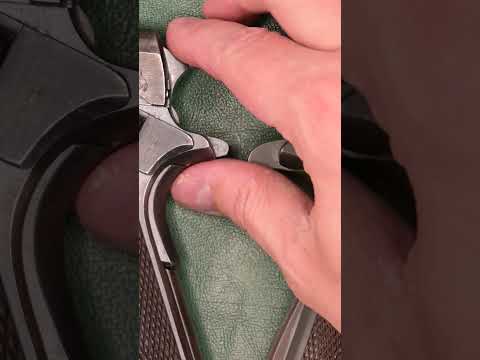
This guide explains the 'two-tone' finish often seen on World War II-era 1911 pistols. Expert analysis reveals this is not a cosmetic choice but a result of selective hardening processes involving molten lead dips, which then react differently with the Parkerization finish. This historical characteristic is distinct from modern reproductions and highlights unique manufacturing techniques of the era.

Quick Summary

The two-tone finish on World War II 1911 pistols is a result of selective hardening. High-stress areas of the slide were dipped in molten lead, altering the steel. This caused these sections to react differently during the Parkerization process, resulting in a darker finish compared to the rest of the slide.

Chapters

  1. 00:00Intro: Two-Tone 1911 Question
  2. 00:10WWII Hardening Process Explained
  3. 00:20Parkerization & Metallurgy Effects
  4. 00:40Comparison & Rarity

Frequently Asked Questions

Why do some World War II 1911 pistols have a two-tone finish on the slide?

The two-tone finish on WWII 1911 pistols is a result of selective hardening processes. Manufacturers dipped specific high-stress areas of the slide, like the front portion and slide stop notch, in molten lead. This altered the steel, causing it to react differently during the Parkerization process, resulting in a darker appearance on those hardened sections.

What is the significance of the two-tone finish on a WWII 1911?

The two-tone finish is a historical manufacturing characteristic, not an aesthetic choice. It indicates that the pistol underwent the specific heat treatment and finishing methods used during World War II, distinguishing it from modern reproductions or pistols with uniform finishes. It's a sign of authentic historical production.

How did the hardening process affect the Parkerization of WWII 1911 slides?

During WWII, selective hardening of 1911 slides by dipping in molten lead changed the steel's properties. Parkerization, being a chemical reaction with the steel, produced a darker finish on these hardened areas compared to the unhardened parts of the slide, creating the visible two-tone effect.

Is the two-tone finish on a 1911 a sign of a refinished firearm?

Not necessarily. While refinishing can alter a firearm's appearance, the two-tone finish on many WWII 1911s is an authentic characteristic resulting from specific historical manufacturing techniques, particularly selective hardening and subsequent Parkerization. It's important to understand the original processes to differentiate.

Related News

All News →

More Gunsmithing & DIY Videos You Might Like

More from JaredAF

View all →