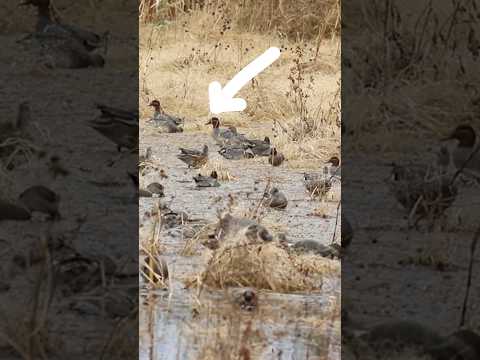
3 Duck Behavior Changes That Win Late Season

Published on January 28, 2026
Duration: 3:28

This guide details three key strategies for successful late-season duck hunting, emphasizing understanding bird behavior in cold weather. It highlights the importance of midday scouting, capitalizing on temporary thaws for new feeding opportunities, and employing edge hunting techniques around roosting areas. The advice comes from an expert associated with Mossberg, a reputable firearms manufacturer.

Quick Summary

Late-season duck hunting success hinges on understanding bird behavior. Experts advise scouting between 12 PM and 3 PM when ducks feed most actively. Capitalize on temporary thaws that open new feeding grounds and practice 'edge hunting' near roosting areas to avoid disturbance and maximize opportunities.

Chapters

  1. 00:00Introduction to Late Season Duck Hunting
  2. 00:20Tip 1: Midday Scouting Strategy
  3. 01:17Tip 2: Hunting Temporary Thaws
  4. 02:13Tip 3: Roosting Areas & Edge Hunting

Frequently Asked Questions

What is the best time to scout for late-season ducks?

For late-season duck hunting, the most effective scouting window is between 12:00 PM and 3:00 PM. During this period, birds conserve energy and are more likely to move and feed, offering better insights into their behavior and location than early morning scouting.

How can temporary thaws improve late-season duck hunting?

Temporary thaws melt snow and ice, opening up new feeding areas like flooded low spots in fields. Ducks will disperse to these newly accessible areas, creating fresh hunting opportunities that may not have been used earlier in the season.

What is 'edge hunting' in waterfowl strategy?

Edge hunting involves identifying where ducks rest (roosting areas) and then hunting the periphery or travel routes they use to feed. This strategy avoids disturbing the core resting spots, preserving them for future hunting and minimizing the chance of 'blowing out' the birds.

Why is midday scouting important for late-season waterfowl?

Late-season waterfowl, especially ducks, conserve energy due to cold weather. They tend to feed during the warmest part of the day, typically between noon and 3 PM, making this period ideal for observing their movements and finding active feeding locations.

More from MOSSBERG

View all →