7 Steps to Set Up a Backcountry Rifle

Published on December 28, 2022
Duration: 15:22

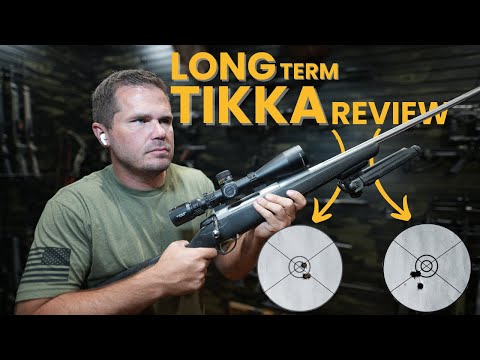
This guide, presented by experienced firearms reviewer Jim from Backfire, details seven essential steps for optimizing a rifle for backcountry hunting. It covers critical aspects from ensuring sub-MOA accuracy through ammunition testing to managing recoil for better follow-up shots. The advice emphasizes portability, reliable feeding, precise scope setup, and the importance of gathering empirical ballistic data for success in the field.

Quick Summary

Setting up a backcountry rifle involves seven key steps: testing ammo for sub-MOA accuracy, managing recoil under 20 ft-lbs, keeping weight under 7 lbs, ensuring reliable feeding, leveling the scope, adding an Arca-Swiss rail, and confirming ballistic data. This ensures optimal performance in the field.

Chapters

  1. 00:00Introduction: Dialing In Your Rifle
  2. 02:37Accuracy & Ammo Testing
  3. 04:21Recoil Management
  4. 06:53Rifle Weight & Portability
  5. 07:20Reliable Feeding
  6. 08:05Scope Setup & Quality
  7. 09:53Arca-Swiss Rails
  8. 10:56Trigger Consistency
  9. 11:37Labeling Scopes
  10. 12:11Ballistic Data Confirmation

Frequently Asked Questions

What are the key steps to setting up a rifle for backcountry hunting?

Key steps include testing ammunition for sub-MOA accuracy, managing recoil to under 20 ft-lbs, keeping rifle weight under 7 lbs, ensuring reliable magazine feeding, properly leveling the scope, integrating an Arca-Swiss rail, setting triggers to ~2 lbs, labeling SFP scopes, and confirming ballistic data.

How important is ammunition testing for rifle accuracy?

Ammunition testing is crucial. Most rifles offer a 1 MOA guarantee, but finding the specific factory load that consistently shoots under one inch at 100 yards requires testing at least six different types. This ensures reliable accuracy in the field.

What is the recommended weight for a backcountry hunting rifle?

For backcountry hunting, portability is paramount. The recommendation is to aim for a bare rifle weight under 7 pounds. Utilizing lightweight materials like carbon fiber for stocks can significantly help achieve this target weight.

Why is scope leveling important for long-range accuracy?

Proper scope leveling, typically done with a bubble level and plumb bob, is essential for long-range accuracy. An unlevel scope will cause the bullet's trajectory to deviate from the expected path, especially at greater distances, leading to misses.

Related News

All News →

More Hunting & Outdoors Videos You Might Like

More from Backfire

View all →