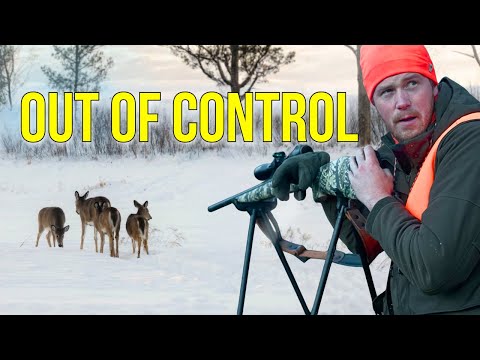
Art of the Hunting Blade | Gun Talk Hunt

Published on September 25, 2021
Duration: 32:02

This episode of Gun Talk Hunt features Rob Cabrera, also known as Philo from Philo Blade Works, discussing hunting knives. Philo emphasizes the importance of a durable, easily maintainable fixed-blade knife for hunting. He highlights his 'Headstrong' model, made from 52100 steel, for its balance of edge retention and ease of sharpening. The discussion covers practical aspects like blade size, carry methods, and sharpening techniques, advocating for knives that are functional and reliable in the field.

Quick Summary

For hunting, a fixed-blade knife made from durable steel like 52100 is recommended for its reliability and ease of maintenance. A blade length of around three inches offers optimal maneuverability for field dressing. Easy access via systems like Ulti-Clip on a bino harness or in a pocket is crucial for quick deployment.

Chapters

  1. 00:00Introduction to Hunting Blades
  2. 00:13Welcome to Gun Talk Hunt
  3. 00:32Sponsor Shoutouts
  4. 00:51Guest Introduction: Rob Cabrera (Philo)
  5. 01:14Philo's Background in Martial Arts
  6. 02:15Philo's Philosophy as a Maker
  7. 03:07Preparing for Hunting Season
  8. 03:48The Hunting Lifestyle
  9. 04:27Philo's Day-to-Day Responsibilities
  10. 04:35Director of Double Star Blades
  11. 04:47Goon Rules Combatives Brand
  12. 05:15Focus on Edged Weaponry
  13. 05:33Evolution of Hunting Blades
  14. 05:52Introducing the 'Headstrong' Knife
  15. 06:15Describing the 'Headstrong' Knife
  16. 06:4552100 Steel and Durability
  17. 07:04Issues with Difficult-to-Maintain Steels
  18. 07:36Value of a Great Knife
  19. 07:53Traditional Knife Maintenance
  20. 08:23Utility Knives vs. Fixed Blades
  21. 08:50Challenges with Gunked-Up Blades
  22. 09:13Design of the 'Headstrong' for Cleanliness
  23. 09:19Replacing Blades Mid-Field Dressing
  24. 09:45Rinsing and Stropping for Maintenance
  25. 10:06Knife Accessibility and Bino Harness Carry
  26. 10:43Attachment Mechanism: Ulti-Link System
  27. 11:14Reversing the Link System for Blade Attachment
  28. 11:28Adjustable Canting and Rotation
  29. 11:38Adjustable Retention
  30. 12:05Sponsor Break: Tetra Hearing
  31. 13:04Sponsor Break: Brownells Ammunition
  32. 13:46Sponsor Break: Remington Ammunition
  33. 14:21Sponsor Break: Benelli Lupo Rifle
  34. 14:54Sponsor Break: Silencer Central
  35. 15:33Back to Knife Carry and Placement
  36. 15:53Slimline Design and Canting
  37. 16:06Preferred Carry Locations: Pocket and Waistband
  38. 16:37Comfort and Fast Deployment
  39. 17:04Knife as an Accessible Edge Weapon
  40. 17:43Design Considerations for Skinning and Processing
  41. 18:16Importance of Blade Length for Control
  42. 18:26Story: Elk Hunting with an Oversized Knife
  43. 19:41The 'Headstrong' for Maneuverability
  44. 19:48Functionality Over Aesthetics in Knife Purchase
  45. 20:00Forgetting Knives in Packs
  46. 20:10Starting Field Dressing: The 'Plumbing'
  47. 20:25Using the Wrong Tool for Delicate Tasks
  48. 20:55Humorous Anecdote: Machete for Field Dressing
  49. 21:01Knife Size for Bulk Cutting vs. Delicate Tasks
  50. 21:21Uses for Larger Blades (Filleting)
  51. 21:38Master Field Dresser's Perspective
  52. 22:14Advice for New Hunters on Choosing a Blade
  53. 22:35Fixed Blade Preference for Hunting
  54. 22:52Optimal Blade Size for Field Dressing
  55. 23:14Realizing 'Too Much is Too Much'
  56. 23:36Importance of Maintaining Sharpness
  57. 23:43Touching Up a Blade in the Field
  58. 24:17Recommended Sharpeners
  59. 24:35Sharpening for Home Users: Wicked Edge
  60. 25:07Lansky Sharpening Systems
  61. 25:18Old School Stone Sharpening
  62. 25:36Japanese Whetstones
  63. 25:48Understanding Beveling and Grinds
  64. 26:02Inclusion Angles and Deflection Angles
  65. 26:13There is No 'Best' Knife: Application Matters
  66. 26:23Recommended Angle for Everyday Use/Self-Defense
  67. 27:09Where to Follow Philo Blade Works
  68. 27:17Upcoming Products: Trainers and Headstrong Trainer
  69. 28:04Collaborations: Clint Emerson, Violet Nomad
  70. 28:12Design and Build Projects for Other Companies
  71. 29:05Demonstrating Trainers
  72. 29:29The Outlaw Knife (Clint Emerson Collaboration)
  73. 29:36Relationship with Gun Talk Media
  74. 30:01The 'Why' Behind the Craft
  75. 30:44Belief in Artistry and Creation
  76. 31:11Preparing People with Hardware and Software
  77. 31:27The Importance of Teamwork
  78. 31:40Closing Remarks and Safety

Frequently Asked Questions

What type of knife is best for hunting?

For hunting, a fixed-blade knife is generally recommended due to its superior durability and reliability compared to folding knives or those with replaceable blades. A blade length of around three inches is often ideal for maneuverability during field dressing.

What steel is recommended for a hunting knife?

52100 steel is a good choice for hunting knives because it offers a strong balance of durability and edge retention, while also being relatively easy to sharpen in the field. This ensures you can maintain a sharp edge throughout the process of field dressing game.

How should a hunting knife be carried for easy access?

Easy access is key. Many hunters prefer carrying their knife on a bino harness or in their pocket or waistband using systems like the Ulti-Clip. This allows for quick deployment and ensures the knife is readily available when needed.

What are the best sharpening systems for knives?

For home users, Wicked Edge systems are highly regarded for producing very sharp edges. For a more traditional approach, Lansky systems are a good option. Japanese whetstones are also excellent for achieving fine edges, especially on straight blades.

More Hunting & Outdoors Videos You Might Like

More from Gun Talk Media

View all →