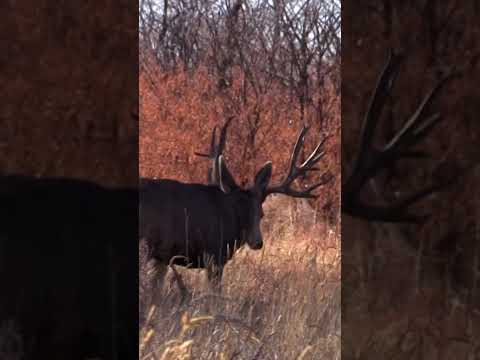
Buck Scrape Breakdown | Deer Hunting The Rut #deerhunting

Published on October 24, 2024
Duration: 0:19

This expert-level guide breaks down the critical components of a buck scrape, a vital communication hub during the deer rut. It details the scent deposition on licking branches and the ground scrape itself, including the crucial urine deposit over tarsal glands. Understanding these behaviors, as demonstrated by Mossberg Hunting, is key for hunters to effectively interpret deer sign and strategize their approach.

Quick Summary

A buck scrape is a communication hub during the rut, created by a buck clearing ground and rubbing scent from facial glands onto a licking branch. Bucks also deposit urine over their tarsal glands into the scrape, signaling presence, dominance, and breeding readiness to other deer.

Chapters

  1. 00:00Buck Scent Deposit on Licking Branch
  2. 00:05Creating the Ground Scrape Marker
  3. 00:11Urine Deposit and Communication

Frequently Asked Questions

What is a buck scrape and why is it important for deer hunting?

A buck scrape is a ground area cleared by a buck, used for communication. It's vital for hunters as it signifies buck activity, dominance, and breeding status during the rut, offering clues to their location and movement patterns.

How do bucks deposit scent when creating a scrape?

Bucks deposit scent in two main ways: by rubbing their head and antlers on a licking branch to transfer oils from preorbital and forehead glands, and by urinating over their tarsal glands into the scrape itself.

What is the role of a licking branch in buck scrape communication?

The licking branch is a key component where bucks rub their facial glands, leaving behind scent markers. This, combined with the ground scrape, creates a comprehensive scent post for other deer to interpret.

Related News

All News →

More Hunting & Outdoors Videos You Might Like

More from MOSSBERG

View all →