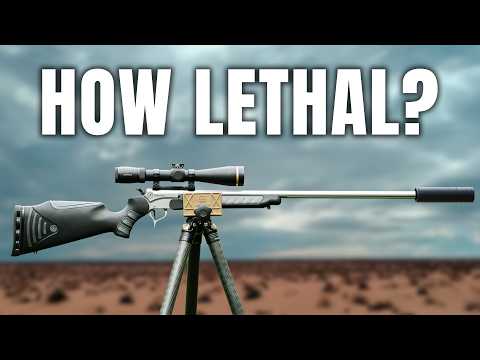
Long Range Pursuit | S1 E17 New Mexico Bighorn at 683 Yards

Published on February 20, 2017
Duration: 21:44

This episode of Long Range Pursuit follows Aaron's once-in-a-lifetime bighorn sheep hunt in New Mexico. The video emphasizes the critical importance of wind doping for long-range shooting, detailing three techniques: using a handheld wind meter, analyzing mirage, and observing vegetation. It highlights how cartridge selection, specifically the ballistic coefficient and velocity of rounds like the 7mm Remington Magnum compared to a .308 Winchester, significantly impacts wind deflection. The hunt culminates in a successful 683-yard shot on a mature bighorn sheep, showcasing practical application of these long-range shooting principles in challenging mountain conditions.

Quick Summary

Mastering wind doping is crucial for long-range shooting. Key techniques include using a handheld wind meter, analyzing mirage through your scope, and observing vegetation. Cartridge selection, particularly the ballistic coefficient and velocity, greatly influences wind deflection, with rounds like the 7mm Remington Magnum offering less drift than a .308 Winchester. Accurate ballistic profiles are vital for compensating for wind and achieving precise shots.

Chapters

  1. 00:50Introduction & Hunt Overview
  2. 01:17Scouting for Bighorn Sheep
  3. 03:22Sheep Sightings & Hunting Area
  4. 04:00Shooting Tip: Doping the Wind
  5. 07:15Technique 1: Handheld Wind Meter
  6. 08:11Technique 2: Analyzing Mirage
  7. 10:50Technique 3: Vegetation & Double Check
  8. 11:54Day 2 Scouting & Ram Search
  9. 13:14Weather Challenges & Mountain Terrain
  10. 14:14Opening Day Ram Strategy
  11. 15:07Ballistic Profile Importance
  12. 16:17Opening Day Hunt Begins
  13. 17:27Rangefinding & Shot Setup
  14. 18:22Successful 683-Yard Bighorn Sheep Shot
  15. 19:15Shot Analysis & Wind Compensation
  16. 20:06Harvested Ram Details
  17. 20:49Hunt Recap & Outfitter Recommendation

Frequently Asked Questions

What are the key techniques for doping wind in long-range shooting?

Effective wind doping involves three primary techniques: using a handheld wind meter for immediate readings, analyzing mirage (heat waves) through your scope to gauge speed and direction, and observing vegetation like grass and trees for subtle wind indicators. Combining these methods provides a more accurate wind assessment for ballistic compensation.

How does cartridge selection affect wind deflection in long-range shooting?

Cartridge selection significantly impacts wind deflection. Rounds with a higher ballistic coefficient and adequate muzzle velocity, such as the 7mm Remington Magnum with a 168-grain VLD bullet, experience less wind drift (e.g., 4.5 MOA at 1000 yards in a 10 mph wind) compared to cartridges like the .308 Winchester with a 168-grain HPBT (e.g., 9 MOA). This difference allows for a greater margin of error in wind calls.

What is mirage analysis in long-range shooting?

Mirage analysis involves observing the heat waves or atmospheric distortion seen through a rifle scope or spotting scope. The way the mirage moves—whether boiling straight up, tipping at an angle, or moving horizontally—provides crucial information about wind speed and direction at various distances, aiding in accurate shot placement.

What is the importance of building a true ballistic profile?

Building a true ballistic profile by accurately determining a bullet's Ballistic Coefficient (BC) and muzzle velocity through trajectory validation is essential for long-range shooting. This ensures calculated trajectories match actual field results, leading to precise ballistic compensation and successful shots at extended distances.

More Hunting & Outdoors Videos You Might Like

More from Gunwerks

View all →