Long Range Pursuit | S1 E2 BC Mountain Goat at 575 Yards

Published on October 31, 2016
Duration: 19:45

This video follows a mountain goat hunt in British Columbia, showcasing long-range shooting techniques and rifle setup. It details how to zero a Gunwerks rifle's BDC turrets using a G7 scope and calculate ballistic drop charts with wind compensation via the G7 website. The hunt itself highlights the challenges of steep terrain, variable winds, and spotting game at extended distances, culminating in a successful shot at approximately 575 yards.

Quick Summary

To zero a Gunwerks BDC turret with a G7 scope, confirm your rifle's point of impact at a known distance, measure the deviation, calculate the necessary clicks, make the adjustment, and then reset the turret to the zero range marking. The G7 ballistics program requires load data, environmental factors, and sighting information to generate accurate drop charts for long-range shooting.

Chapters

  1. 00:52Spotting Mountain Goats
  2. 01:38Assessing the Terrain and Target Distance
  3. 03:04Long Range Ballistics Discussion
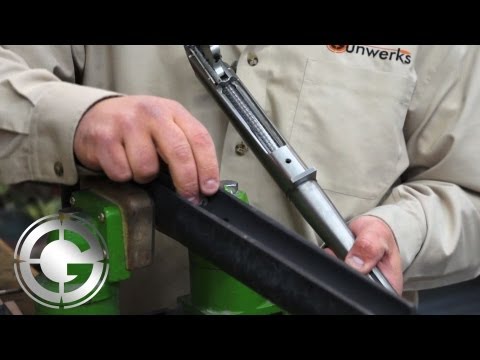
  4. 05:29Zeroing Gunwerks BDC Turrets with G7 Scope
  5. 07:31Calculating Drop Charts with G7 Ballistics Program
  6. 11:07Navigating to the Goats' Location
  7. 12:16Final Approach and Wind Assessment
  8. 13:05Guide's Preference on Shooting Locations
  9. 14:39Goats on Steep Slope
  10. 16:29The Successful Shot
  11. 17:28Post-Shot Analysis and Wind Conditions
  12. 17:39Hunt Recap and Elevation Comparison
  13. 18:06Typical Goat Hunt Conditions

Frequently Asked Questions

How do you zero a Gunwerks BDC turret with a G7 scope?

To zero a Gunwerks BDC turret with a G7 scope, first confirm your rifle's point of impact at a known distance, like 700 yards. Measure the deviation from your intended zero point. Calculate the number of clicks needed to correct this deviation, considering your scope's MOA per click. Make the adjustment, then physically reset the turret to the zero range marking.

What information is needed to calculate a drop chart using the G7 ballistics program?

To calculate a drop chart with the G7 program, you need your load data (bullet type, BC, and muzzle velocity), environmental data (range elevation and temperature), and sighting data (scope height and zero range). You can also input wind direction and speed for more accurate predictions.

What are the challenges of spotting mountain goats in their natural habitat?

Spotting mountain goats in their natural habitat can be challenging because they often blend in with the rocky terrain. Hunters need to look for small, subtle details like parts of their body or horns poking out from ledges, rather than expecting to see a large, obvious silhouette.

How does wind affect long-range shooting in mountainous terrain?

Wind is a critical factor in long-range shooting, especially in mountainous terrain where it can be highly variable. It can shift direction and speed rapidly, blowing across canyons or directly towards the target. Accurate wind calls and compensation are essential to ensure a hit, as even a slight drift can cause a miss at extended distances.

More Hunting & Outdoors Videos You Might Like

More from Gunwerks

View all →