Long Range Pursuit | S5 E16 Wyoming Mule Deer with a Smoke Pole

Published on March 23, 2020
Duration: 22:10

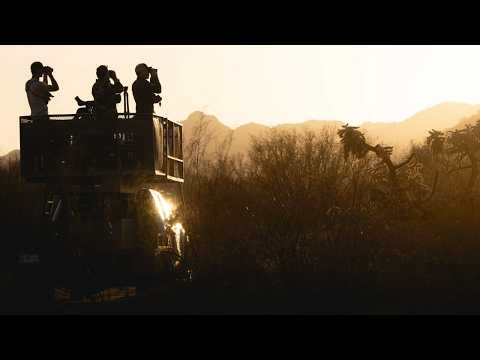
This episode of Long Range Pursuit follows a mule deer hunt in Wyoming, focusing on the use of muzzleloaders in challenging terrain and weather. The hunt emphasizes ethical harvesting of management bucks and showcases advanced long-range shooting techniques. The narrative highlights the importance of scouting, patience, and utilizing specialized equipment like rangefinders and ballistic data for successful hunts in rugged environments.

Quick Summary

This Wyoming mule deer hunt emphasizes the use of muzzleloaders in challenging, broken terrain and adverse weather. Hunters focus on ethical harvesting of management bucks, utilizing advanced long-range shooting techniques, specialized gear like rangefinders, and understanding ballistic data for precise shots up to 400 yards.

Chapters

  1. 00:10Introduction to Wyoming Mule Deer Hunt
  2. 01:42Nephew Derek Joins the Hunt
  3. 02:35Morning Hunt in Badlands Country
  4. 03:10Targeting Management Bucks
  5. 04:03First Shot Opportunity
  6. 05:07Circling for a New Vantage Point
  7. 06:52Derek's Successful Muzzleloader Shot
  8. 07:59Analyzing the Shot and Blood Trail
  9. 10:18Long Range Shooting Stability Techniques
  10. 11:34Scouting for More Deer
  11. 12:57Ranch Access and Terrain
  12. 14:31Evening Glassing Session
  13. 15:39Frosty Morning Hunt and Deer Sightings
  14. 16:48Spotting Deer and Preparing for a Shot
  15. 17:10Another Successful Muzzleloader Shot
  16. 18:29Tracking and Recovering the Buck
  17. 19:28Examining the Harvested Buck
  18. 20:46Reflections on the Hunt and Gear
  19. 21:08Conclusion and Future Hunts

Frequently Asked Questions

What type of deer are they targeting in this Wyoming hunt?

The hunters are specifically targeting management mule deer bucks. This means they are looking for deer with genetic defects or traits that would prevent them from becoming large trophy animals, aiming to improve the overall herd quality by removing them from the gene pool.

What are the key challenges of hunting in this Wyoming terrain?

The terrain is described as broken with tight canyons and draws, making it difficult for long-range shots. Additionally, the weather is a significant factor, with cold, rain, and wind presenting challenges for both hunters and game, forcing deer to seek shelter in sheltered areas.

What techniques are used for long-range shooting stability in rugged environments?

To achieve stability on uneven surfaces like rocks or logs, hunters 'scissor' their bipods to prevent movement. They also utilize rear sticks or bags for support, allowing for precise adjustments for elevation and ensuring a solid shooting platform for long-range shots.

How does the presence of oil and gas development impact the hunting experience?

The oil and gas development has created a network of well-maintained roads, which significantly improves access to remote hunting areas. This allows hunters to cover more ground and find vantage points for glassing, balancing the challenging natural terrain with easier transportation.

What makes a muzzleloader a suitable choice for this type of hunt?

A muzzleloader is chosen because the terrain is broken and features tight canyons, which can limit opportunities for traditional long-range rifle shots. The muzzleloader allows for effective shots at closer ranges and is well-suited for situations where hunters might need to step closer to the game.

More Hunting & Outdoors Videos You Might Like

More from Gunwerks

View all →