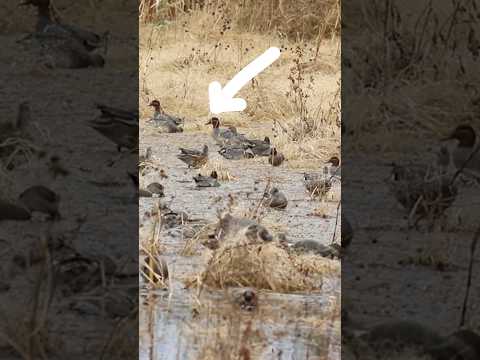
Most UNDERRATED Decoy in Duck Hunting

Published on December 10, 2025
Duration: 2:06

This guide, presented by Jason Cruise for Mossberg, details how to optimize duck decoy spreads for maximum visibility. It emphasizes the importance of color contrast, recommending the use of Northern Shoveler and Pintail decoys alongside traditional Mallards. Drone footage illustrates how brighter decoys stand out more to ducks, leading to increased success.

Quick Summary

Optimize your duck decoy spread by incorporating high-contrast decoys like Northern Shovelers and Pintails. Their bright colors significantly increase visibility compared to darker Mallard decoys, which can blend into the water. A mixed spread also appears more natural, building confidence in approaching ducks for greater hunting success.

Chapters

  1. 00:00Introduction to Decoy Strategy
  2. 00:15Drone Analysis of Decoy Spreads
  3. 00:39The Power of Contrast
  4. 00:55The Value of Northern Shovelers
  5. 01:10Adding Shoveler Drakes
  6. 01:27Breaking the Mallard Habit

Frequently Asked Questions

Why are Northern Shoveler decoys considered underrated in duck hunting?

Northern Shoveler decoys, often called 'Spoonies,' are highly effective because their bright white and chestnut colors provide significant contrast against the water, making them much more visible to ducks, especially on slower hunting days.

How does decoy color affect duck hunting success?

Decoy color is crucial for visibility. Brighter, high-contrast decoys like Northern Shovelers and Pintails stand out more to ducks than darker decoys like Mallards, which can blend into the water, potentially leading to more successful hunts.

What is the benefit of using a mixed decoy spread?

A mixed decoy spread, featuring various duck species, appears more natural to approaching ducks. This natural presentation can build confidence and encourage ducks to commit to the landing zone, improving hunting success.

How can drone footage improve decoy spread strategy?

Using drone footage allows hunters to analyze their decoy spread from an aerial perspective, mimicking how ducks perceive it. This helps in understanding which decoys are most visible and how the overall spread appears to incoming birds.

More Hunting & Outdoors Videos You Might Like

More from MOSSBERG

View all →