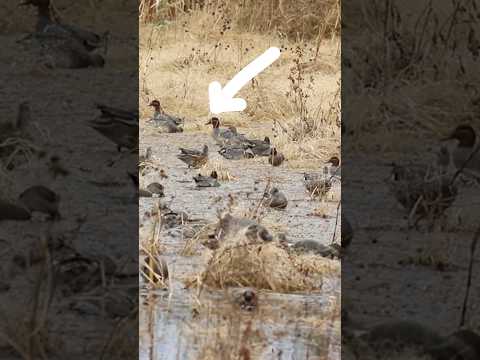
Passing Up 200 Ducks: A Late-Season Strategy

Published on January 28, 2026
Duration: 2:20

This guide details a late-season duck hunting strategy focused on conservation and long-term success. It emphasizes strategic patience, advising hunters to pass on large flocks to avoid educating them and 'burning out' prime locations. By allowing birds to settle and return in smaller groups, hunters can ensure more consistent opportunities and preserve hunting grounds. The strategy is presented by Mossberg, highlighting their semi-automatic shotgun and the use of Hardcore camouflage.

Quick Summary

A key late-season duck hunting strategy involves practicing conservation by avoiding shots at large flocks (50-200 birds). This prevents 'burning out' a spot, which educates birds and causes them to leave. By letting large groups pass and waiting for smaller groups (15 or fewer), hunters ensure more consistent opportunities and prolong the season.

Chapters

  1. 00:00Introduction to Late-Season Strategy
  2. 00:25The Risk of 'Burning Out' Spots
  3. 01:11Strategic Patience and Smaller Groups
  4. 01:47Conclusion: Long-Term Success

Frequently Asked Questions

What is the main strategy for late-season duck hunting?

The primary strategy is to practice conservation by refraining from shooting into large flocks. This prevents 'burning out' a hunting spot, which educates the birds and causes them to leave the area, thus extending hunting opportunities.

Why should hunters avoid shooting at large duck flocks in the late season?

Shooting at large flocks (50-200 birds) can scare the entire population away, educating them and ending hunting opportunities for that location. Late-season birds are already highly educated and concentrated, making them more sensitive to pressure.

What is the recommended approach when large duck flocks appear?

The recommended approach is to let large groups work and pass without shooting. This patience encourages the birds to return to their roosting or loafing areas and eventually break into smaller groups, which are safer to hunt.

How does this strategy benefit long-term hunting success?

By being selective and allowing large groups to pass, hunters ensure more consistent shooting opportunities and a longer-lasting season in their specific hunting grounds, promoting sustainable hunting practices.

More Hunting & Outdoors Videos You Might Like

More from MOSSBERG

View all →