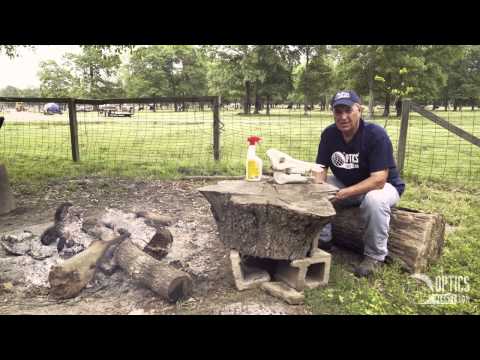
The Do's and Don'ts of Decoying Whitetails

Published on November 18, 2020
Duration: 2:02

This video provides expert advice on using whitetail decoys effectively. Key strategies include optimal decoy placement at 10-15 yards to draw attention away from your blind, planning shot angles based on buck behavior (head-on or broadside), and employing a multi-sensory approach by using scent attractants like Golden Scrape and Estrus Extreme in conjunction with calling. The instructor emphasizes patience and waiting for the perfect shot opportunity.

Quick Summary

Optimize your whitetail decoying strategy by placing decoys 10-15 yards from your blind to draw attention. Fool deer senses with sound, sight, and scent attractants like Golden Scrape and Estrus Extreme, after thoroughly applying scent killer to the decoy. Wait patiently for the ideal broadside shot, as bucks often approach head-on or may paw the ground.

Chapters

  1. 00:03Introduction to Decoying
  2. 00:10Decoy Placement Strategy
  3. 00:39Buck Behavior & Shot Planning
  4. 00:56Fooling Deer Senses
  5. 01:13Scent Control: Scent Killer Gold
  6. 01:23Scent Control: Golden Scrape
  7. 01:33Scent Control: Estrus Scent
  8. 01:46Patience and Perfect Shot

Frequently Asked Questions

What is the ideal distance for placing a whitetail decoy?

The ideal distance for placing a whitetail decoy is typically 10 to 15 yards away from your hunting blind or tree stand. This placement helps draw the deer's attention away from your concealed position and focuses it directly on the decoy, making your setup more effective.

How can I effectively use scent attractants with decoys?

To effectively use scent attractants, first spray your decoy with scent killer to remove human odor. Then, apply Golden Scrape to the ground and decoy antlers to mimic a fresh scrape. Finally, use estrus scents like Gold Masters on key wicks around the area to fill the air with attractant.

What are the key senses to fool when using a whitetail decoy?

When using a whitetail decoy, you aim to fool three primary senses: sound, by using calls like rattling and grunting; sight, by presenting a realistic decoy; and smell, by employing scent attractants to mask human odor and mimic natural deer scents.

How should I plan my shot when a buck approaches a decoy?

Plan your shot by observing the buck's behavior. Many bucks will approach decoys head-on, so be prepared for that angle. If a buck starts pawing the ground, wait for it to present a broadside shot for the best opportunity.

More Hunting & Outdoors Videos You Might Like

More from NRApubs

View all →