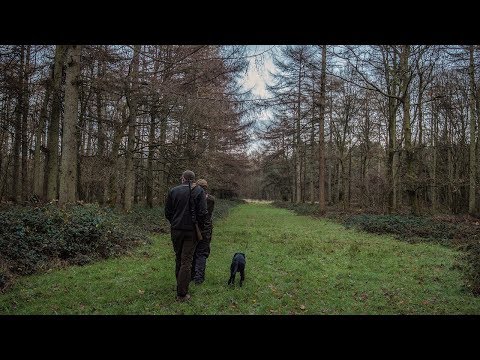
THE WILD NORTH || Stalking Scottish Roe Bucks

Published on June 1, 2025
Duration: 34:43

This video follows a hunting trip in the Scottish Highlands focused on stalking Roe Deer. It highlights the challenges and rewards of hunting in diverse terrains, from commercial forestry to sporting estates. The narrative emphasizes responsible deer management, the importance of understanding the environment, and the use of modern optics like thermal imagers. The experience is presented as an intimate connection with nature, requiring patience, adaptability, and respect for the quarry.

Quick Summary

Roe deer stalking in Scotland presents unique challenges compared to southern regions, with wilder deer being more 'jumpy.' Management varies from sporting estates focusing on quality to commercial forestry requiring population control. Modern hunting relies on thermal optics for enhanced visibility and selectivity, while the assessment of a 'great' buck considers age, antler symmetry, and mass as indicators of health and genetics.

Chapters

  1. 00:03Introduction to Scotland's North
  2. 00:31The Iconic Roe Deer
  3. 01:21Learning Deer Management
  4. 02:09Meeting the Team
  5. 02:32First Evening Scouting
  6. 03:34Dawn Patrol: First Proper Outing
  7. 04:12Stalking for a Young Buck
  8. 05:03The Missed Shot & Rifle Check
  9. 06:07Dealing with a Miss
  10. 06:52Continuing the Morning Hunt
  11. 07:27Second Chance: The Buck
  12. 08:16Following Up in Woodland
  13. 08:46Sporting vs. Commercial Management
  14. 10:11Catching Up with DC
  15. 10:34Roe Stalking Equipment Discussion
  16. 11:36The Necessity of Thermal Optics
  17. 13:39Pigeon and Crow Shooting
  18. 15:30What Excites About Roe Deer
  19. 16:12Bucks Setting Up Territories
  20. 16:40Trophy Hunting Roe Deer
  21. 17:22Antler Growth and Shedding
  22. 19:52Evening Hunt: Commercial Forestry
  23. 20:41Tracking a Hit Buck with a Dog
  24. 21:31The Importance of Deer Control
  25. 22:06Covering Ground for Management
  26. 22:46Final Opportunities of the Day
  27. 23:40Long Range Shot and Recovery
  28. 24:26The Appeal of Roe Deer Stalking
  29. 25:32Scotland vs. Southern Deer Stalking
  30. 26:08Classic Roe Deer Stalk: Final Hours
  31. 27:20Rifle Malfunction and a Missed Opportunity
  32. 27:41The Beauty of Early Morning Hunts
  33. 29:48Following the Blood Trail
  34. 30:32Analyzing the Blood Trail
  35. 31:35Examining the Harvested Buck
  36. 32:03Health Inspection and Management
  37. 32:32The Essence of Scottish Stalking
  38. 33:57Conclusion and Thanks

Frequently Asked Questions

What are the key differences between stalking Roe Deer in Scotland versus southern regions?

Roe deer in Scotland, especially in wilder areas, are generally more 'jumpy' and harder to stalk than those in southern regions where they are more accustomed to human presence. This requires different tactics and a higher level of patience.

How does deer management differ between sporting estates and commercial forestry in Scotland?

Sporting estates prioritize the hunting experience and aim for quality deer populations, managing based on the health and reproductive potential of the animals. Commercial forestry requires deer to be controlled to prevent damage to young trees, focusing on population reduction.

Why are thermal optics considered essential for modern deer stalking?

Thermal optics allow hunters to see more deer, especially in low light or dense cover, enabling more selective shots and a better understanding of the environment. While not strictly necessary for every hunt, they significantly enhance effectiveness and opportunity.

What factors determine a 'great' Roe buck?

A great Roe buck is assessed by its age, antler symmetry, and mass, which are indicators of its genetics, health, nutrition, and the quality of its habitat and management. The antlers tell a story about the animal and its environment.

More Hunting & Outdoors Videos You Might Like

More from TGS Outdoors

View all →