Turkey Calling: Mastering The Cluck

Published on April 21, 2018
Duration: 7:28

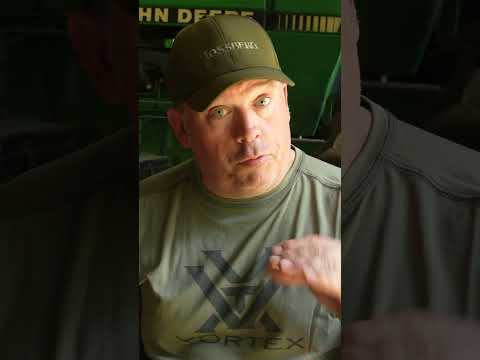
This guide details how to master the turkey cluck call, a technique emphasized by Jason Cruise and demonstrated by James Cotten in a Mossberg video. It covers the nuances of clucking, distinguishing it from other calls like the 'putt' and 'cut', and strategic decoy placement for successful hunts, particularly effective late in the season.


Quick Summary

Master the turkey cluck call for late-season hunting success. Learn to differentiate clucks from alarm 'putts' by adding a soft yelp for context. Avoid long runs of clucks, which can sound aggressive. Strategic decoy placement, like a feeder hen 20 yards out, enhances realism.

Chapters

  1. 00:00Introduction to the Cluck
  2. 00:33Late Season Advantage
  3. 01:04Cluck vs. Putt Context
  4. 01:51Vocalization Frequency
  5. 02:26Field Demonstration and Success
  6. 05:24Decoy Placement Strategy

Frequently Asked Questions

How can I make my turkey cluck calls more effective?

To make your turkey cluck calls more effective, focus on single, separated clucks rather than long runs. Adding a soft yelp can provide reassuring context, especially if the turkey might mistake a distant cluck for an alarm call. This technique is particularly useful late in the season.

What is the difference between a turkey cluck and a putt?

A cluck is a common turkey vocalization used to signal presence, while a 'putt' is an alarm call. From a distance, they can sound similar. To avoid spooking a turkey, adding a soft yelp to your cluck can provide context and differentiate it from an alarm call.

When is the best time to use a turkey cluck call?

The cluck call is especially effective late in the turkey hunting season. This is when wary longbeards may be more responsive to this specific type of call, offering hunters a significant advantage in luring them in.

How should I set up my decoys when using a cluck call?

When using a cluck call, consider decoy placement. A strategy involves placing a feeder hen decoy about 20 yards away from your main group of decoys (like a strutter and sitting hen) at an angle. This creates a more natural, spread-out appearance in your spread.

Related News

All News →

More Hunting & Outdoors Videos You Might Like

More from MOSSBERG

View all →