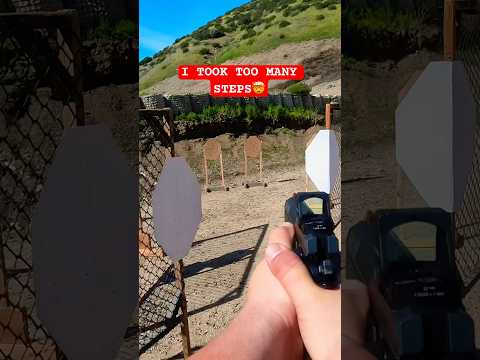
Competition Shooting and What May Make it Practical or Not

Published on October 11, 2024
Duration: 23:52

This discussion explores the practical application of skills learned in competition shooting, particularly USPSA. While acknowledging that competition stages are not direct gunfighting simulations, the video highlights how skills like target transitions, reloads, and malfunction clearances are valuable. It emphasizes that the 'practical' aspect refers to the gun handling and shooting proficiency developed, which can be beneficial in real-world scenarios, even if the competitive context differs from a tactical engagement.

Quick Summary

USPSA competition shooting focuses on isolating and improving skills like speed, accuracy, target transitions, and malfunction clearances. While not a direct simulation of real-world gunfights, these practiced skills can be highly practical for self-defense. However, it's important to distinguish between competitive drills and tactical engagement strategies.

Chapters

  1. 00:31Steel Popper Malfunction Scenario
  2. 00:56USPSA as Skill Isolation
  3. 01:34Law Enforcement Perspective on USPSA
  4. 02:04Human Factors in Skill Acquisition
  5. 02:22Cover vs. Concealment
  6. 03:07Cherry-Picked Scenarios
  7. 04:07What is Practical Shooting?
  8. 05:06Misconceptions about Competition Shooters
  9. 06:35Competition Shooting vs. Tactics
  10. 07:09Tactically Unsound Competition Actions
  11. 07:33USPSA Open to All Experience Levels
  12. 08:06Illusion of Practicality?
  13. 09:14Habits to Avoid from Competition
  14. 09:30What to Look for in a Real Situation
  15. 10:11Change in Behavior as Threat Indicator
  16. 10:30USPSA Not an Engagement Strategy
  17. 11:06Disconnect: Tactical vs. Competitive Crowd
  18. 11:53Proponents of Practical Shooting
  19. 12:34Why is it Called 'Practical'?
  20. 13:06Practicality in Gun Handling Skills
  21. 13:16Calling Your Shots in Competition
  22. 14:07Target Transitions in Gunfights
  23. 15:10Movement in Gunfights
  24. 16:01Stationary Targets in Competition
  25. 16:18Shooting and Moving
  26. 17:09Matt Pranka Clip Analysis
  27. 18:41Team Tactics vs. Individual Engagement
  28. 19:14Shooting and Moving into a Room
  29. 20:01Freezing in High-Stress Situations
  30. 20:20Malfunctions in Competition
  31. 20:45Practical Skills: Malfunction Clearance
  32. 21:43Tying in Competition Benefits
  33. 22:14Why Not Just 'Competition Shooting'?
  34. 22:32Different Shooting Associations (IDPA, PCCSL)
  35. 23:05Joining the Conversation

Frequently Asked Questions

What is the primary difference between USPSA and real-world gunfighting scenarios?

USPSA is primarily an isolation of skills, focusing on speed and accuracy in shooting drills. Real-world gunfights are complex engagements with unpredictable variables, where tactical considerations like cover, concealment, and threat assessment are paramount, unlike the structured nature of competition stages.

Are skills learned in USPSA competition useful for self-defense?

Yes, certain skills like target transitions, efficient reloads, and malfunction clearances practiced in USPSA are highly practical for self-defense. However, it's crucial to understand that competition stages are not direct simulations of combat, and some competitive habits may not translate directly.

What does 'practical' mean in the context of competition shooting like USPSA?

The term 'practical' in competition shooting refers to the development of fundamental gun handling skills, such as accurate shooting under pressure, quick reloads, and effective target transitions. These skills enhance proficiency with a firearm, which can be beneficial in defensive situations.

Why is it important to clear malfunctions quickly in competition shooting?

Clearing malfunctions promptly in competition is crucial because dwelling on the issue will significantly impact your score and stage time. Practicing efficient malfunction clearance is a key practical skill that ensures you can continue the course of fire with minimal delay.

Related News

All News →

More Range & Competition Videos You Might Like

More from Instructor Mike

View all →