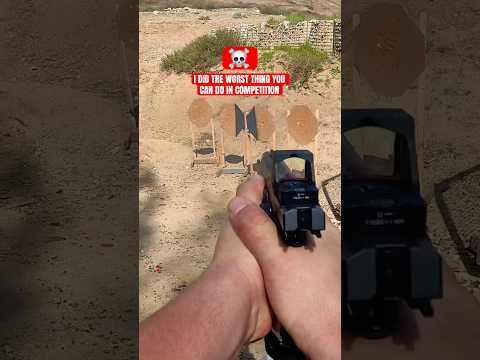
Holmen WI USPSA | Hit Tracking | Sig P320 the MESS

Published on March 29, 2021
Duration: 4:50

This video documents a USPSA shooter's experience at the Holmen WI match, focusing on hit tracking and challenges with a new red dot sight. The shooter discusses difficulties acquiring the dot, aiming at specific target zones, and the impact of a compensator on recoil management. Strategic decisions regarding stage plans and reloads are also analyzed, highlighting areas for improvement in competition.

Quick Summary

USPSA shooters using red dot sights for the first time often face challenges acquiring the dot quickly, impacting target transitions and accuracy. Compensators can help keep firearms flatter, aiding tighter groups, but increase noise. Effective stage planning, including optimal reload points, is crucial for competitive success.

Chapters

  1. 00:04Introduction & Stage 1
  2. 00:25Stage 1 Recap & Red Dot Struggles
  3. 00:58Stage 2 Recap & Red Dot Issues
  4. 01:16Compensator Performance
  5. 01:54Stage Plan Analysis & Reload Strategy
  6. 02:37Stage 3 & Target Engagement
  7. 02:50Overall Match Reflection
  8. 03:22Stage 4 Recap & Reload Flub
  9. 03:49Steel Target Malfunction
  10. 03:55Stage 5 & Competitor Shoutout
  11. 04:14Post-Match Discussion & Thanks

Frequently Asked Questions

What are common challenges when first using a red dot sight in competition?

New red dot users often struggle with acquiring the dot quickly on targets, leading to pauses to find it. This can result in slower target transitions and missed opportunities for A-zone hits, requiring dedicated practice to develop the necessary visual skills.

How does a compensator affect firearm performance in competition?

Compensators are designed to vent gas upwards, reducing muzzle rise and keeping the firearm flatter during recoil. This can lead to tighter shot groups and faster follow-up shots, though it often increases the firearm's noise level.

What strategic considerations are important for USPSA stage plans?

Effective stage plans involve optimizing movement, reload points, and target engagement order. Sometimes, a seemingly less direct route might be faster overall, and forgetting planned reloads can significantly impact stage time and score.

What are typical issues encountered with steel targets in competition?

While generally reliable, steel targets can sometimes fail to fall if not struck with sufficient force or if there's an issue with the target's mechanism. This can lead to unexpected stage outcomes and frustration for the shooter.

Related News

All News →

More Range & Competition Videos You Might Like

More from Tactical Fellowship

View all →