USPSA from BELT - AVOIDING D CLASS

Published on July 7, 2025
Duration: 12:41

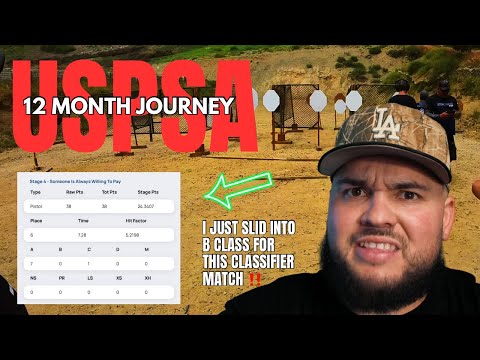
This video details strategies for navigating USPSA classifier stages, focusing on avoiding penalties like D-class classifications and fail-to-engages. The speaker emphasizes thorough stage walkthroughs, mental rehearsal, and conscious target verification to ensure all targets are engaged, particularly 'sneaky' ones. It highlights the importance of physical readiness for transitions and the mental game of not forgetting targets, even with challenging stage designs.

Quick Summary

To avoid a D-class classification in USPSA, focus on engaging all targets and minimizing penalties during classifier stages. Thorough stage walkthroughs, mental rehearsal, and conscious target verification are key. Be aware of 'sneaky' targets and practice getting into shooting positions quickly to save time.

Frequently Asked Questions

How can I avoid a D-class classification in USPSA?

To avoid a D-class classification in USPSA, you must achieve a minimum score on classifier stages. This involves successfully engaging all targets and minimizing penalties. Thorough stage walkthroughs, mental rehearsal, and focusing on accuracy are crucial to ensure you don't miss targets or incur significant time penalties.

What are common mistakes in USPSA classifier stages?

Common mistakes include forgetting to shoot targets, especially 'sneaky' ones, leading to fail-to-engage penalties. Another significant error is losing time by not being immediately ready to shoot when acquiring a target after movement or cover, costing valuable seconds per position.

How important is physical readiness in USPSA stages?

Physical readiness is critical for speed in USPSA. Being able to quickly get into a stable shooting position after moving or coming around cover can save half a second to a full second per target engagement. This efficiency directly impacts your overall stage time and score.

What gear is recommended for shooting from concealment in USPSA?

For shooting from concealment in USPSA, a reliable holster like the Tier 1 MSP is recommended. Lightweight, comfortable apparel like Barbell Apparel shorts and a functional jacket or hoodie are also practical. The focus is on gear that allows for a smooth draw and secure carry.

More Range & Competition Videos You Might Like

More from Reno May

View all →