USPSA Match in an Enigma | VLOG

Published on February 25, 2022
Duration: 20:37

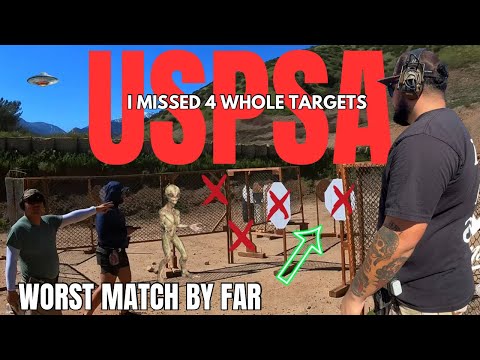
This vlog documents a USPSA match experience, highlighting the challenges and learning opportunities inherent in competitive shooting. The speaker, who recently attended pistol intelligence classes, focuses on the mental game, stage planning, and execution under pressure. Key takeaways include the importance of adapting plans, managing nervousness, and learning from mistakes, such as forgotten targets or improper malfunction drills. The video emphasizes that competition is a valuable tool for self-assessment and personal growth, even when it's mentally taxing.

Quick Summary

USPSA matches offer a unique environment for personal growth by testing shooters' mental fortitude, stage planning skills, and ability to perform under pressure. Learning from mistakes, managing adrenaline, and avoiding negative self-talk are critical components of improving both shooting ability and overall resilience.

Chapters

  1. 00:00Introduction & Vlog Plan
  2. 01:01Coffee Break: Oat Milk Cortado
  3. 02:21Arriving at the Range & Gear Prep
  4. 03:22Stage 1: Mental Challenges & Missed Shots
  5. 06:31Stage 2: Execution & Time
  6. 07:01Stage 3: Malfunction Drill & Hits
  7. 08:10Stage 4: Accuracy & Shot Calling
  8. 09:30Stage 5: Planning & Forgetting Targets
  9. 10:15Learning from Mistakes & Negative Self-Talk
  10. 11:30Post-Match Reflections & Exhaustion
  11. 11:51Vlog Conclusion & Viewer Feedback

Frequently Asked Questions

What are common challenges faced during a USPSA match?

Common challenges include mental pressure, stage planning, executing movements smoothly, managing adrenaline, and ensuring proper equipment function like magazine retention. Forgetting targets or mishandling malfunctions are also frequent issues that competitors learn from.

How does competition shooting help with personal growth?

Competitive shooting, like USPSA, pushes individuals to confront their limits and learn from mistakes. It's a practical way to practice managing stress, avoiding negative self-talk, and developing resilience, which are valuable skills both on and off the range.

What is the importance of stage planning in USPSA?

Effective stage planning is crucial for maximizing speed and accuracy. It involves visualizing the course of fire, identifying optimal shooting positions, and strategizing movement to minimize time. However, competitors must also be adaptable if the plan needs to change during the stage.

How can shooters improve their performance under pressure?

Practicing under pressure, such as in competition, helps shooters manage adrenaline and avoid negative self-talk. Learning to stay calm, focus on the fundamentals, and execute planned actions even when nervous are key to improving performance.

More Range & Competition Videos You Might Like

More from Tessah Booth

View all →