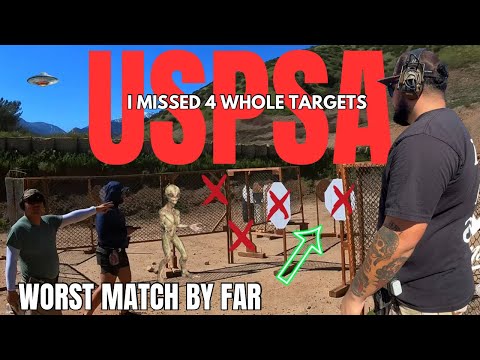
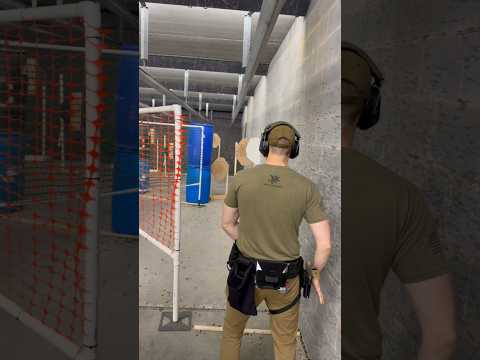
USPSA Stage Planning and Execution - Did the Plan Work?

Published on November 1, 2025
Duration: 14:07

This video, featuring competitive shooters like Cody Axton and Lane Greece, delves into the strategic planning and execution of USPSA stages. It emphasizes prioritizing 'flow' and ease of memory in a stage plan over rigid adherence to common rules. The discussion highlights how different shooters develop unique plans based on their preferences, capacity, and the stage's specific challenges, ultimately concluding that solid execution is more critical than minor plan variations.

Quick Summary

In USPSA stage planning, 'flow' is paramount, emphasizing natural movement and ease of memory over strict rules. While capacity influences strategy, the ultimate success hinges on execution: hitting targets accurately and efficiently, often proving more impactful than minor plan variations.

Chapters

  1. 00:00Introduction to Stage Planning
  2. 00:30Meet the Shooters & Stage Setup
  3. 01:37What Makes a Good Stage Plan?
  4. 02:34Prioritizing Flow and Preferences
  5. 03:24The Importance of Flow in Execution
  6. 04:08Remembering Target Order & Obstacles
  7. 04:44Capacity vs. Movement Planning
  8. 05:08Execution Over Plan Nuances
  9. 05:56Stage 2: 'Do it for the Gram'
  10. 06:37Initial Stage Walkthrough & Discussion
  11. 07:16Movement and Target Engagement Strategies
  12. 08:00Debating Different Shooting Orders
  13. 09:08Steel vs. Paper Engagement Sequence
  14. 09:48Alternative Stage Approaches
  15. 10:10Complex vs. Simple Stage Plans
  16. 11:39Final Plan & Execution

Frequently Asked Questions

What is the most important factor in USPSA stage planning?

According to experienced competitive shooters, 'flow' is the most important aspect of stage planning. This means devising a sequence of movements and shots that feels natural, is easy to remember, and allows for smooth transitions, rather than strictly adhering to common rules.

How does shooter capacity affect USPSA stage planning?

Shooter capacity influences stage planning by encouraging strategies that minimize reloads. If a shooter has a lower capacity firearm or prefers to stay moving, they might plan to engage closer targets first to maintain momentum and avoid stopping for a reload.

Should you always start on easy targets in USPSA?

Not necessarily. While starting on easier, closer targets is a common strategy, stage design might require deviating from this. The best plan adapts to the specific layout, prioritizing smooth execution and target engagement over rigid adherence to general rules.

What is the key takeaway regarding USPSA stage plans and results?

The key takeaway is that while a reasonable stage plan is important, the shooter's execution—hitting targets accurately and efficiently—is far more critical to achieving good results than the minute details of the plan itself.

Related News

All News →

More Range & Competition Videos You Might Like

More from Joel Park

View all →