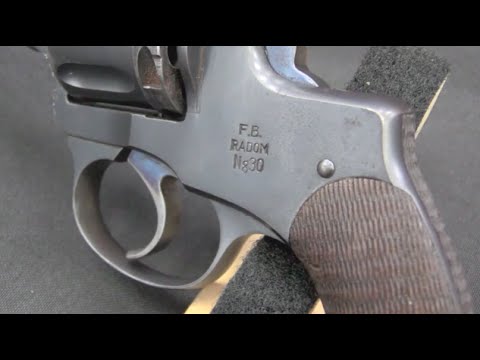
1895 Nagant Revolver

Published on December 26, 2012
Duration: 21:49

This comprehensive review of the 1895 Nagant Revolver, presented by the authoritative voice of hickok45, details its unique gas seal mechanism, historical significance, and practical handling. The guide covers essential disassembly steps and provides insights into its 7.62x38mmR ammunition and Tula production origins, offering a deep dive for firearms enthusiasts.

Quick Summary

The 1895 Nagant Revolver is renowned for its unique gas seal mechanism, where the cylinder advances to seal against the barrel's forcing cone upon firing. This feature, utilizing special 7.62x38mmR ammunition with recessed bullets, prevents gas leakage and enhances velocity. Designed by Leon Nagant, it served Russian and Soviet forces for decades.

Chapters

  1. 00:00Introduction and Initial Shooting
  2. 00:43Ammunition and Origin
  3. 01:24Unloading and Disassembly
  4. 03:34Gas Seal Mechanism Explained
  5. 06:33Caliber and Historical Context
  6. 07:35Range Performance and Sights
  7. 11:06Final Thoughts and Holster

Frequently Asked Questions

What is the unique feature of the 1895 Nagant Revolver?

The 1895 Nagant Revolver's most distinctive feature is its gas seal mechanism. When fired, the cylinder moves forward to seal against the barrel's forcing cone, preventing gas leakage and potentially increasing bullet velocity.

What caliber ammunition does the 1895 Nagant Revolver use?

The 1895 Nagant Revolver fires the 7.62x38mmR cartridge. This ammunition is unique because the bullet is seated deep within the brass case, allowing the cylinder to move forward and create the gas seal.

How do you disassemble the 1895 Nagant Revolver for cleaning?

To disassemble the 1895 Nagant, first ensure it's unloaded. Then, press the cylinder base pin release at the front of the frame and pull the base pin forward. This allows the cylinder to swing out for removal.

Who designed the 1895 Nagant Revolver?

The 1895 Nagant Revolver was designed by Leon Nagant. Its development was driven by the need for a modern sidearm for the Russian military, and it saw service well into the Soviet era.

Related News

All News →

More Reviews Videos You Might Like

More from hickok45

View all →