1918 Mauser Tank Gewehr

Published on August 23, 2015
Duration: 7:59

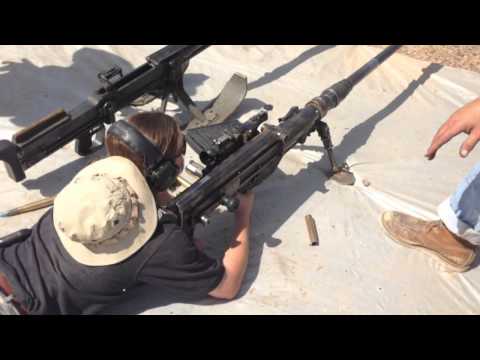
The Mauser 1918 Tank Abwehr Gewehr was the world's first purpose-built anti-tank rifle, developed in response to early tank warfare. Chambered in the powerful 13.2mm TuF cartridge, it could penetrate 20mm of armor at 100 yards. Despite its immense power and 41-pound weight, it was produced in large numbers and influenced later designs like the .50 BMG.
Quick Summary

The Mauser 1918 Tank Abwehr Gewehr was the world's first purpose-built anti-tank rifle, developed in 1918. It fired the 13.2mm TuF cartridge at 2650 fps, capable of penetrating 20mm of armor at 100 yards, and influenced the .50 BMG.

Chapters

  1. 00:00Introduction: Mauser 1918 Tank Gewehr
  2. 00:30Historical Context: WWI Anti-Tank Development
  3. 01:13Cartridge & Ballistics: 13.2mm TuF
  4. 02:04Handling & Weight: 41 lbs of Power
  5. 03:12Effectiveness & Production Numbers
  6. 04:25Mechanical Features: Bolt & Grip
  7. 05:25Sights & Bipod Design
  8. 06:57Legal Status & Conclusion

Frequently Asked Questions

What made the Mauser 1918 Tank Gewehr significant in firearms history?

The Mauser 1918 Tank Abwehr Gewehr holds the distinction of being the world's first purpose-built anti-tank rifle. Its development was a direct response to the emergence of tanks on the battlefield during World War I.

What caliber was the Mauser 1918 Tank Gewehr chambered in, and how powerful was it?

It was chambered in the 13.2mm TuF (Tank und Flieger) cartridge. This powerful round fired a 795-grain armor-piercing bullet at 2650 fps, delivering approximately 12,500 foot-pounds of energy.

What was the armor penetration capability of the Mauser 1918 Tank Gewehr?

The rifle was capable of penetrating 20mm of vertical armor at a range of 100 yards. This made it effective against the tank designs prevalent during the latter stages of World War I.

How many Mauser 1918 Tank Gewehr rifles were produced, and did they influence later designs?

Over 15,000 Mauser 1918 Tank Gewehr rifles were produced between April and November 1918. Captured examples are credited with influencing the development of the later .50 BMG cartridge.

Related News

All News →

More Reviews Videos You Might Like

More from Forgotten Weapons

View all →