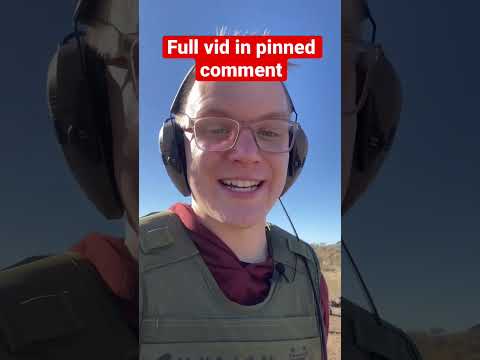
This video from Mr. Madness conducts a penetration test comparing 10mm, .357 Magnum, .44 Magnum, and 12 Gauge calibers for bear defense. It includes velocity measurements using a Garmin Xero C1 Pro and tests against ballistic media and a Level IV ceramic plate. The presenter emphasizes bear spray as a primary defense.
This video provides an expert-level assessment of specialized Israeli .50 BMG ammunition, including API and APIT rounds, from the Banana Ballistics channel. The host, demonstrating high authority and expertise, utilizes a Desert Tech HTI rifle and advanced testing equipment like the RangeCraft chronograph to evaluate penetration capabilities against various steel targets (AR550, AR500), ballistic gelatin, and even concrete. The testing reveals the impressive, though not absolute, armor-piercing and incendiary effects of these military-grade rounds.
This review of the SOG Tactical Tomahawk by Lt Col Nutnfancy focuses on its practical application as a combat weapon and secondary survival tool. The assessment covers its construction, historical context, penetration capabilities against various materials, and utility in vehicle rescue scenarios. Nutnfancy provides a strong endorsement for its value, recommending it for specific preparedness roles after practice.
This video demonstrates a test to see if a .22 caliber nail gun can penetrate an RTS Tactical Level IV Ceramic Armor Plate. The test involves using Remington Power Fasteners, which are designed for concrete and steel. The results show that the nail gun, even when struck with a hammer, fails to penetrate the armor, leaving only a minor surface mark. The video highlights the resilience of Level IV armor against less conventional threats.
This video tests the penetration capabilities of Soviet-era 7.62x54R Silver Tip armor-piercing ammunition against an A2 steel ballistic plate rated for .308, fired from a Russian PKM machine gun. Surprisingly, the armor-piercing rounds, along with 5.56x45mm rounds, failed to penetrate the plate, indicating a high level of protection from the tested gear.
Ian McCollum of Forgotten Weapons critically analyzes the M7 rifle program and the 6.8x51mm cartridge, arguing that the perceived need for extended range and armor penetration in Afghanistan is a flawed premise. He suggests modern tactical solutions like drones are more effective than re-arming infantry with heavier calibers and rifles.
This video tests the lethality and penetration of fishing weights fired from a shotgun. The experiment uses a one-ounce fishing weight, testing its impact on a water jug for energy, a bulletproof vest for lethality, a paper target for accuracy, and a helmet for armor penetration. The results indicate that fishing weights fired from a shotgun are lethal and can cause significant damage.
This guide details the assembly of the 25mm M919 Armor-Piercing Fin-Stabilized Discarding Sabot with Tracer (APFSDS-T) round, as demonstrated by a subject matter expert. The process involves attaching the fin assembly to the penetrator, fitting sabot petals, securing an obturator for a gas seal, and finally inserting the projectile into the cartridge case. The demonstration highlights precise assembly techniques for complex sub-components, emphasizing the importance of correct military nomenclature and safe handling practices.
This video tests the penetration capabilities of an incendiary armor-piercing projectile against a Level 3A vest from Safe Life Defense. Initial tests on a tire rim showed significant damage from a standard round and penetration from the armor-piercing round. The armor-piercing round was then fired at the Level 3A vest, which surprisingly stopped the projectile without perforation, leaving the projectile flattened.
This video explains how shot distance impacts body armor effectiveness. Bullet velocity, influenced by barrel length, bullet type, and distance, is the primary factor in armor penetration. Longer distances lead to reduced velocity, making armor more likely to stop a projectile. However, real-world scenarios involve variables beyond simple distance, such as training and engagement circumstances.
This video demonstrates a high-impact ballistic test, pitting a .50 BMG rifle against multiple Level 3A ballistic helmets. Expert firearms instructor Edwin Sarkissian showcases the destructive power of the .50 BMG round, revealing that even stacked helmets offer minimal resistance. The experiment highlights the limitations of standard ballistic protection against heavy machine gun calibers.
This YouTube Shorts video, titled "M855 vs Steel Body Armor", features a comparison test involving M855 ammunition and steel body armor. The description links to a full-length video on the same topic. The content likely demonstrates the effectiveness or limitations of M855 rounds when impacting steel armor plates.
Gun Laws by State
Read firearms regulations for all 50 states + D.C.
Find Gun Dealers
Search licensed FFL dealers near you.