Body Armor - Does shot distance matter?

Published on October 23, 2025
Duration: 1:03

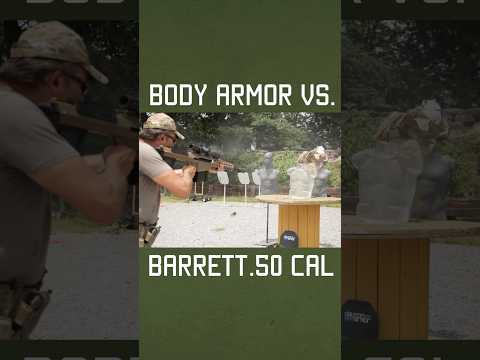
This video explains how shot distance impacts body armor effectiveness. Bullet velocity, influenced by barrel length, bullet type, and distance, is the primary factor in armor penetration. Longer distances lead to reduced velocity, making armor more likely to stop a projectile. However, real-world scenarios involve variables beyond simple distance, such as training and engagement circumstances.

Quick Summary

Bullet velocity is the primary factor in body armor penetration. As a round travels further, it loses velocity, making it more likely to be stopped by armor. NIJ testing is done at close ranges to simulate high-velocity threats. However, real-world scenarios are complex, and gear should be tailored to the mission, not the other way around.

Chapters

  1. 00:00Introduction: Shot Distance and Body Armor
  2. 00:05The Role of Bullet Velocity
  3. 00:14Velocity Loss with Distance
  4. 00:19NIJ Testing Standards
  5. 00:27Real-World Scenario Variables
  6. 00:36CQB and Training Factors
  7. 00:46Lab vs. Real Life
  8. 00:51Conclusion: Mission-Tailored Gear

Frequently Asked Questions

How does shot distance affect body armor effectiveness?

Shot distance significantly impacts body armor effectiveness primarily through its effect on bullet velocity. As a projectile travels further, it loses velocity. Lower velocity rounds are generally easier for body armor to stop, meaning armor that stops a bullet at close range is highly likely to stop it at longer distances.

What is the primary factor determining body armor penetration?

The primary factor determining body armor penetration is bullet velocity. This velocity is influenced by several elements, including the firearm's barrel length, the type of bullet used, and the distance the projectile travels from the muzzle to the target.

Why is NIJ body armor testing done at close ranges?

NIJ (National Institute of Justice) body armor testing is conducted at close ranges because it represents a worst-case scenario for armor penetration. If body armor can successfully stop a projectile at a close, high-velocity range, it is understood that it will reliably stop that same projectile at greater distances where velocity is reduced.

Are lab results for body armor always applicable to real-world situations?

No, lab results for body armor rarely mimic real-life situations perfectly. While controlled tests provide valuable data on penetration resistance, actual combat or self-defense scenarios involve numerous variables like engagement distance, angles, environmental factors, and the shooter's training, which can all influence outcomes.

Related News

All News →

More Tactical & Gear Videos You Might Like

More from Predator Armor

View all →