Adams Arms Piston AR-15 Meltdown!

Published on August 18, 2017
Duration: 10:50

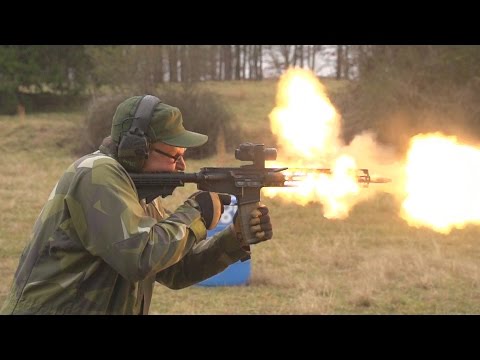
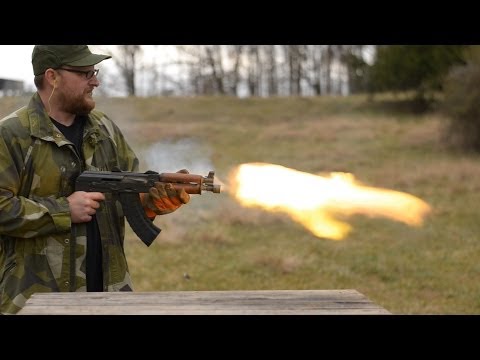
This video details an extreme stress test on an Adams Arms Piston AR-15 upper receiver, pushing it to its limits in a full-auto 'meltdown' scenario. The test, conducted by Iraqveteran8888, highlights the performance characteristics and failure points of piston-driven AR platforms under sustained fire, offering insights into their durability and operational limits. The speaker's high authority level is evident through detailed mechanical analysis and comparisons to other systems.

Quick Summary

The Adams Arms Piston AR-15 upper failed after 569 rounds in a full-auto meltdown test due to extreme heat causing barrel droop. This droop shifted the gas block, impacting the piston cup and stopping function. Piston systems offer better reliability and less fouling than direct impingement.

Chapters

  1. 00:00Introduction to Meltdown Series
  2. 01:01Adams Arms Piston Upper Specs & Piston Benefits
  3. 02:31Full-Auto Firing Sequence & Thermal Monitoring
  4. 05:01Thermal Stress, Handguard Fire & Malfunctions
  5. 07:23Post-Meltdown Analysis: Barrel Droop & Failure Points

Frequently Asked Questions

What was the failure point of the Adams Arms Piston AR-15 in the meltdown test?

The Adams Arms Piston AR-15 upper failed after 569 rounds. The primary failure mechanism involved significant barrel droop caused by extreme heat, which then shifted the gas block, impacting the piston cup and stopping the rifle's function.

What are the advantages of a piston AR-15 system over direct impingement?

Piston systems, like the one tested, generally offer improved reliability and require less frequent cleaning because the operating gas is separated from the bolt carrier group, reducing fouling and heat transfer to the receiver.

How did extreme heat affect the Adams Arms AR-15 during the test?

Extreme heat caused the barrel to visibly droop and the polymer handguards to melt and char. This barrel droop was critical as it led to the gas block shifting, ultimately causing the rifle to cease functioning.

What safety precautions were taken during the full-auto test?

The shooter wore protective gear, including a face shield and heavy gloves, to mitigate risks associated with extreme heat, potential malfunctions, and flying debris during the high-volume firing sequence.

Related News

All News →

More Reviews Videos You Might Like

More from Iraqveteran8888

View all →