Forgotten Weapons Interview with Duncan McCollum

Published on June 14, 2011
Duration: 7:09

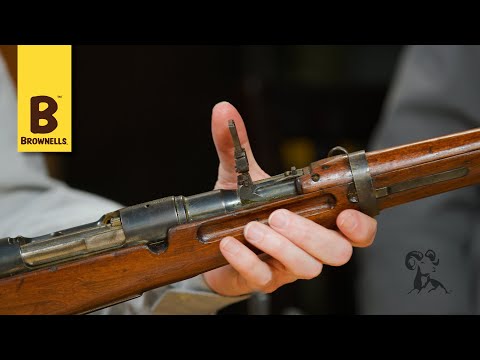
This video provides an expert-level overview of the Japanese Type 2 paratrooper rifle, a modified Type 99 infantry rifle designed to break into two pieces for transport. Host Ian is joined by author Duncan McCullum, who details the rifle's development, limited production numbers, and unique features like its disassembly mechanism and anti-aircraft sights. The video includes a practical demonstration of how to field strip and reassemble the rifle, highlighting its simplicity and the functionality of its dust cover and bolt.

Quick Summary

The Japanese Type 2 paratrooper rifle, a variant of the Type 99, was designed to break into two pieces for transport. It features a simple disassembly mechanism using a screw and wire loop, and historically included unique anti-aircraft sights to engage moving aircraft.

Chapters

  1. 00:17Introduction to Duncan McCullum and his book
  2. 00:41Introducing the Japanese Type 2 Paratrooper Rifle
  3. 00:57Development and Production of the Type 2
  4. 01:40Clever Design: Takedown Mechanism
  5. 02:04Demonstration: Disassembling the Rifle
  6. 02:40Demonstration: Reassembling the Rifle
  7. 02:57Interesting Feature: Anti-Aircraft Sights
  8. 03:10How Anti-Aircraft Sights Work
  9. 04:34Elimination of Anti-Aircraft Sights
  10. 04:53The Dust Cover Mechanism
  11. 05:48Bolt Disassembly
  12. 06:28Bolt Reassembly
  13. 06:48Conclusion and Book Recommendation

Frequently Asked Questions

What is the Japanese Type 2 paratrooper rifle?

The Japanese Type 2 paratrooper rifle is a specialized variant of the Type 99 infantry rifle, chambered in 7.7mm. It was designed to break into two pieces for easier transport by paratroopers, with approximately 22,000 units produced starting in 1942.

How does the Japanese Type 2 paratrooper rifle disassemble?

The Type 2 rifle disassembles by undoing a screw, often using an integrated wire loop for leverage. Once the screw is released, the rifle slides apart into two main sections, facilitating compact storage and transport.

What were the anti-aircraft sights on Japanese Arisaka rifles for?

The anti-aircraft sights on some Japanese Arisaka rifles, like the Type 2 paratrooper, featured folding wings with numbers (1, 2, 3) to estimate aircraft speed in hundreds of knots. This allowed shooters to adjust their aim for engaging low-flying aircraft.

Why were dust covers removed from Japanese rifles during WWII?

The dust covers on Japanese rifles, including the Type 2 paratrooper, were often removed because they were noisy and added an extra rattling part. Many were discarded by soldiers, and production of these dust covers was eventually eliminated by 1943.

Related News

All News →

More Reviews Videos You Might Like

More from Forgotten Weapons

View all →