History of WWI Primer 061: French and Italian Chamelot-Delvigne Documentary

Published on October 10, 2017
Duration: 64:51

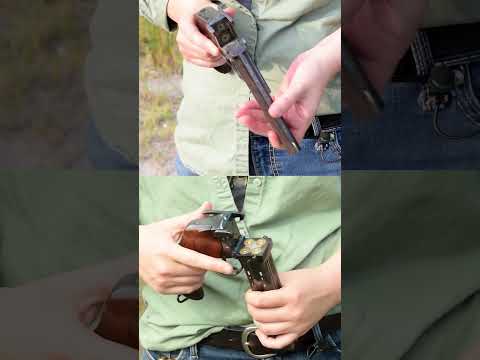
This video provides an in-depth historical review and technical examination of the French Chamelot-Delvigne Model 1873 revolver and its Italian counterpart, the Model 1874. It details their development, design features, adoption by military forces, and performance, particularly in the context of World War I. The review highlights their strengths, such as simple actions and easy field stripping, as well as their limitations, including slow loading/unloading and relatively weak cartridges for the era.

Quick Summary

The Chamelot-Delvigne Model 1873 (French) and 1874 (Italian) revolvers were robust firearms of the late 19th century, featuring gate-loading and side-plate access for maintenance. Despite their historical significance and presence in WWI, their 11mm and 10.4mm cartridges were considered weak for the era, and their slow loading mechanisms limited their battlefield effectiveness.

Frequently Asked Questions

What were the main features of the Chamelot-Delvigne Model 1873 revolver?

The French Chamelot-Delvigne Model 1873 is a six-shot revolver chambered in 11mm French Ordnance. It features a gate-loading mechanism, a side plate for easy access to internals, and operates in single and double-action modes. It weighs approximately 2.5 pounds.

How did the Italian Model 1874 differ from the French Model 1873?

The Italian Model 1874, while based on the same Chamelot-Delvigne design, featured a longer barrel and was chambered in 10.4mm Italian Ordnance. It was generally considered to have better ergonomics and weight distribution, feeling more balanced.

Were the Chamelot-Delvigne revolvers effective in World War I?

While present on the front lines, the Chamelot-Delvigne revolvers were considered anachronistic by WWI. Their 11mm and 10.4mm cartridges were weak, and their gate-loading mechanism was slow compared to modern designs, limiting their effectiveness.

What were the advantages of the Chamelot-Delvigne's side plate design?

The side plate on Chamelot-Delvigne revolvers allowed for much easier access to the internal mechanism for cleaning and maintenance compared to solid-frame revolvers. This was a significant advantage for military field armorers.

More from C&Rsenal

View all →