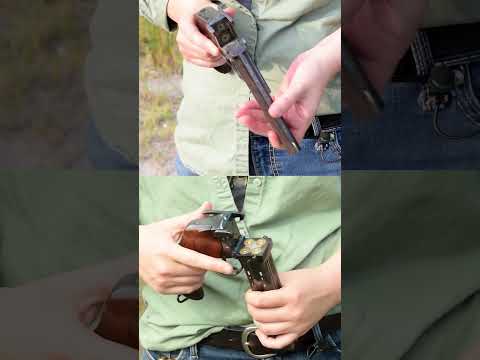
History of WWI Primer 083: The Kropatschek Pt.2 Documentary

Published on August 28, 2018
Duration: 61:44

This documentary delves into the history and development of the Portuguese Kropatschek rifle and its variants, including the Gettis rifle and various carbine models. It details their adoption by Portugal, technical specifications, design evolution, and service history, particularly in colonial contexts. The video highlights the Kropatschek's place in early repeating rifle technology and its eventual obsolescence.

Quick Summary

The Portuguese Kropatschek rifle family, including the Gettis rifle and various carbines, utilized 8mm rimmed cartridges (8x60mm and later 8x56mm). Adopted due to colonial needs and to replace older firearms, these rifles were technologically advanced for their time, featuring tube magazines and bolt-action mechanisms. Despite their initial effectiveness, they were eventually superseded by newer designs.

Chapters

  1. 00:00Introduction: Portuguese Kropatschek Pt.2
  2. 00:24Portuguese Kropatschek Cazadores Overview
  3. 01:27Portuguese Colonial Context & the Scramble for Africa
  4. 03:50The Gettis Rifle Development
  5. 06:56Influence of Eduard Ruben's Research
  6. 08:47Adoption of the Gettis Rifle (1885)
  7. 09:28Close Look at the Gettis Rifle Action
  8. 11:41Single-Shot vs. Repeaters in 1885
  9. 12:47Kropatschek Carbine Orders (1885)
  10. 13:08Why the Kropatschek System?
  11. 14:22Kropatschek Carbine Variants Explained
  12. 15:16The Cazadores Carbine (1885/1886)
  13. 16:41Comparison: Gettis vs. Kropatschek Carbine Sights
  14. 18:55Shooting Impressions: Kropatschek Carbines
  15. 19:55Kropatschek Cavalry Carbine
  16. 20:42Gettis Rifle Production Issues
  17. 22:08Gettis Rifle Unserviceable Declaration
  18. 23:37Shift to Kropatschek Infantry Rifle
  19. 24:21Gettis Rifles Sold to Boer States
  20. 26:34Luis Gettis's Later Life
  21. 27:22Kropatschek 1886 Wallen Rifle
  22. 29:07Timing of Kropatschek vs. Lebel Adoption
  23. 30:26Artillery Carbine (1891)
  24. 32:06Close Look at the Artillery Carbine
  25. 33:55Shooting Impressions: Artillery Carbine
  26. 34:50Recap of Kropatschek Models
  27. 35:17Smokeless Powder & 8x56mm Cartridge
  28. 36:14Interchangeability of 8x56mm and 8x60mm Cartridges
  29. 39:46Colonial Complaints & 1886/99 Modification
  30. 40:29Kropatschek 1886/99 Colonial Version
  31. 42:35Kropatschek Service History in Africa
  32. 45:10Kropatschek in WWI Africa Campaigns
  33. 46:51May's Impressions: Cazadores Carbine
  34. 51:27May's Impressions: Artillery Carbine
  35. 53:44Comparing the Three Kropatschek Variants
  36. 59:31Kropatschek Research & Future Updates

Frequently Asked Questions

What were the main variants of the Portuguese Kropatschek rifle?

Portugal adopted several Kropatschek variants, including the Gettis rifle (a single-shot precursor), the Kropatschek 1886 infantry rifle, the Cazadores carbine, the cavalry carbine, the artillery carbine, and the 1886/99 colonial version with a handguard. These were all chambered in 8mm cartridges.

What cartridge did the Portuguese Kropatschek rifles use?

The Portuguese Kropatschek rifles primarily used the 8x60mm rimmed cartridge initially, which was later updated to the 8x56mm rimmed cartridge around 1899. Both cartridges were designed to be compatible with the Kropatschek's tube magazine system.

Why was the Gettis rifle replaced by the Kropatschek system in Portugal?

The Gettis rifle, while innovative, faced production issues and was declared unserviceable due to design flaws, such as the action potentially opening unintentionally. This led Portugal to cancel its contract and adopt the more reliable Kropatschek system.

How did the Kropatschek rifle perform in colonial service?

The Kropatschek rifles were instrumental in Portuguese colonial campaigns, aiding in pacification and control of territories in Africa. They were noted for their effectiveness in battles like the one at Kilala in 1895, though by WWI they were considered outdated.

More Reviews Videos You Might Like

More from C&Rsenal

View all →