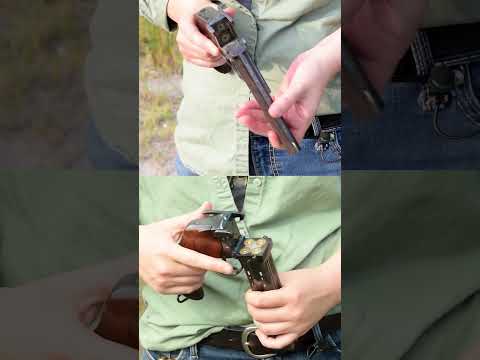
Japanese Type 30

Published on February 19, 2026
Duration: 1:47

This expert-level overview of the Japanese Type 30 rifle, introduced in 1897, details its historical context, receiver safety features like gas vents, and its sighting system. The guide highlights the Type 30 bayonet lug, the five-round staggered column magazine, and the unique two-piece stock construction. It also explains the cock-on-close bolt action and its service life with the Imperial Japanese Navy, noting its replacement by the Type 38.

Quick Summary

The Japanese Type 30 rifle, introduced in 1897 (30th year of the Meiji calendar), features a cock-on-close bolt action and a five-round staggered column magazine. Its receiver includes gas vents for safety, and it was used by the Imperial Japanese Navy before being replaced by the Type 38.

Chapters

  1. 00:00Introduction & Historical Context
  2. 00:18Receiver Safety Features
  3. 00:25Sighting System Details
  4. 00:34Bayonet Lug & External Hardware
  5. 00:48Magazine & Feeding Mechanism
  6. 01:01Stock Construction
  7. 01:11Bolt Action & Safety Operation
  8. 01:30Service Life & Successors

Frequently Asked Questions

When was the Japanese Type 30 rifle introduced and what does its designation signify?

The Imperial Japanese Type 30 rifle was introduced in 1897, which corresponds to the 30th year of the Meiji calendar. The receiver often bears the Imperial Chrysanthemum and markings indicating '3-10 year type'.

What are the key safety features of the Japanese Type 30 rifle's receiver?

The Type 30 receiver is equipped with two gas vents designed to manage ruptured cases. Additionally, there is a vent on the bolt itself, specifically to protect the firing pin area from excessive gas pressure.

How is the magazine on the Japanese Type 30 rifle designed, and what modifications were historically made?

The Type 30 features a flush, five-round staggered column magazine. Historically, users in Russia and Finland would sometimes wire the magazine floorplate shut to prevent accidental deployment during use.

What type of bolt action does the Japanese Type 30 rifle utilize?

The Japanese Type 30 rifle employs a cock-on-close bolt action. This means the firing pin is cocked when the bolt is fully closed, rather than when it is opened.

More Reviews Videos You Might Like

More from C&Rsenal

View all →