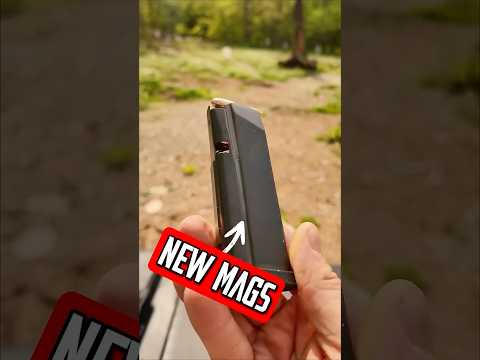
TESTING NEW MAGS FOR G43X/ NEW SCOPE FOR DMR/ FIXING ISSUES WITH 11.5

Published on December 6, 2025
Duration: 39:02

This video tests new 15-round PSA Micro Dagger magazines for the Glock 43X with FMJ and hollow point ammunition, noting initial stiffness but overall reliability. It also details the process of zeroing an Arkin 6-24x50 optic on a 16-inch DMR rifle and diagnosing a firing issue on an 115-grain rifle, ultimately identifying a worn firing pin as the cause. The content provides practical insights for firearm owners looking to improve magazine capacity and troubleshoot common rifle problems.

Quick Summary

The PSA Micro Dagger 15-round magazines for the Glock 43X offer a significant capacity increase over standard 10-round OEM magazines. While initially stiff, they reliably feed FMJ and hollow point ammunition, providing 4-5 extra rounds per magazine for enhanced self-defense or training capabilities.

Chapters

  1. 00:00Intro & Magazine Testing
  2. 01:40PSA Micro Dagger Magazine Introduction
  3. 04:17Glock 43X Magazine Test - FMJ Ammo
  4. 07:35Magazine Malfunction & Hollow Point Test
  5. 11:12Mixed Ammunition Test
  6. 13:03DMR Optic Zeroing Setup
  7. 14:11Arkin 6-24x50 Optic Installation
  8. 17:28DMR Build Rundown
  9. 20:05Optic Zeroing at 50 Yards
  10. 25:56115-Grain Rifle BCG & Firing Issue
  11. 29:57Swapping Bolt Carrier Groups
  12. 31:26Swapping Firing Pins for Diagnosis
  13. 34:04Testing Recap & Issue Resolution
  14. 34:33Outro & Community Discussion

Frequently Asked Questions

What are the advantages of the PSA Micro Dagger 15-round magazines for the Glock 43X?

The primary advantage of the PSA Micro Dagger 15-round magazines for the Glock 43X is the increased ammunition capacity, offering 5 more rounds per magazine compared to the standard 10-round OEM Glock magazines. This significantly boosts the firearm's potential for self-defense or extended training sessions.

How can I diagnose light primer strikes on my rifle?

Light primer strikes on a rifle often indicate an issue with the firing pin or bolt carrier group (BCG). You can diagnose this by inspecting the firing pin for wear or damage, cleaning the BCG thoroughly, and potentially swapping components like the firing pin or the entire BCG with a known good one to isolate the problem.

What is involved in zeroing an AR-15 optic?

Zeroing an AR-15 optic typically involves mounting the optic securely, then firing a few shots at a known distance (commonly 50 or 100 yards) from a stable platform. Based on the shot group's location relative to the point of aim, you adjust the optic's elevation and windage turrets until the rounds consistently impact the desired point of aim.

Why might a polymer magazine release wear down with aftermarket magazines?

A polymer magazine release can wear down with certain aftermarket magazines, especially those designed for higher capacity, due to the increased pressure and friction. The design of some magazines may cause them to grind against the polymer release, leading to premature wear and potential seating issues over time.

Related News

All News →

More Reviews Videos You Might Like

More from Locs N Load Firearm Reviews

View all →