Trapdoor Springfield .45-70 150th Anniversary

Published on October 24, 2023
Duration: 26:01

This review celebrates the 150th anniversary of the iconic Trapdoor Springfield rifle, chambered in .45-70. It details the evolution from muzzleloaders to breech-loaders, comparing carbine and rifle variants and discussing historical ammunition issues like copper case expansion. The video highlights the rifle's significance in the American West and its mechanism, noting its service until the adoption of the Krag-Jørgensen.

Quick Summary

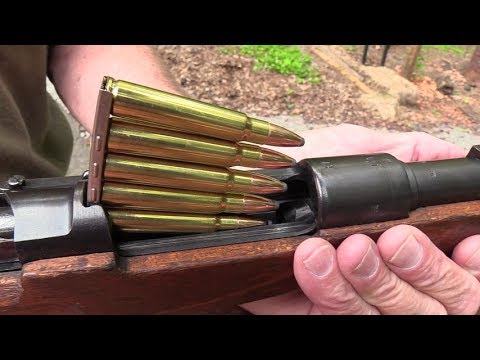
The .45-70-405 cartridge designation for the Trapdoor Springfield indicates a .45 caliber bullet, 70 grains of black powder, and a 405-grain lead projectile. Early ammunition using copper casings sometimes caused extraction issues due to expansion, a problem later resolved by brass casings.

Chapters

  1. 00:00Introduction: 150th Anniversary & .45-70 Round
  2. 01:55Model Variations: Carbine vs. Rifle
  3. 03:32Historical Context: Muzzleloader Conversions
  4. 05:34Conversion History & Cost-Effectiveness
  5. 08:48Shooting Demonstration & Rate of Fire
  6. 11:14Ammunition Issues: Copper vs. Brass Cases
  7. 13:28Mechanism: Trapdoor Action & Ejection
  8. 15:56Transition to Krag-Jørgensen
  9. 18:32Final Thoughts & Legacy

Frequently Asked Questions

What does the .45-70-405 cartridge designation mean for the Trapdoor Springfield?

The .45-70-405 designation refers to the cartridge's specifications: a .45 caliber bullet, 70 grains of black powder propellant, and a 405-grain lead projectile. This was a standard load for the rifle.

How did the Trapdoor Springfield evolve from earlier firearms?

The Trapdoor Springfield was a result of post-Civil War efforts to modernize the arsenal. It converted existing .58 caliber muzzleloaders into breech-loaders using Erskine S. Allin's 'trapdoor' design, making it a cost-effective upgrade.

What were some reliability issues with early Trapdoor Springfield ammunition?

Early .45-70 ammunition sometimes used copper casings which could expand excessively in the chamber, causing extraction problems. Soldiers often had to use knives to pry out stuck casings, a problem later solved by using brass cases.

What is the difference between the Trapdoor Springfield carbine and rifle models?

The primary difference lies in barrel length: the carbine variant features a shorter 22-inch barrel, designed for cavalry use, while the full rifle model has a longer 32.5-inch barrel for greater accuracy and range.

Related News

All News →

More Reviews Videos You Might Like

More from hickok45

View all →