Trapdoor Springfield .45-70 150th Anniversary

Published on October 24, 2023
Duration: 26:01

This video provides an expert-level overview of the Trapdoor Springfield .45-70, celebrating its 150th anniversary. Hickok45, a recognized firearms authority, details its historical significance, evolution from muzzleloaders, and operational mechanics. The review covers model variations, ammunition specifics, and its role in American history, offering insights valuable for collectors and history enthusiasts.


Quick Summary

The Trapdoor Springfield .45-70, celebrating its 150th anniversary, was a crucial firearm in US military history, transitioning from muzzleloaders to breech-loaders. Expert Hickok45 highlights its evolution, the .45-70 cartridge details, and historical context, noting early ammunition extraction issues with copper casings that were later resolved by brass.

Chapters

  1. 00:00Introduction and 150th Anniversary
  2. 01:55Model Variations
  3. 03:32Historical Context and Evolution
  4. 05:34Conversion History
  5. 08:48Shooting and Rate of Fire
  6. 11:14Ammunition and Reliability Issues
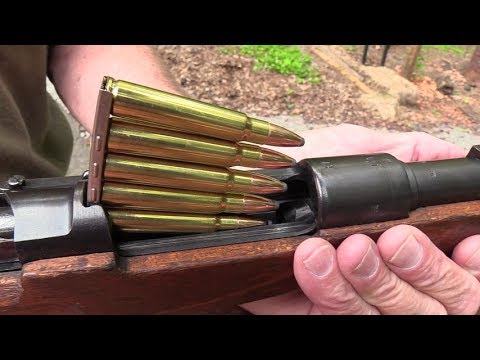
  7. 13:28Mechanism Demonstration
  8. 15:56Transition to the Krag-Jørgensen
  9. 18:32Final Thoughts and Range Performance

Frequently Asked Questions

What is the significance of the 150th anniversary of the Trapdoor Springfield .45-70?

The 150th anniversary celebrates the enduring legacy of the Trapdoor Springfield, adopted by the US Army in 1873. It marked a pivotal shift from muzzleloaders to modern breech-loading firearms, significantly impacting military effectiveness and westward expansion.

How did the Trapdoor Springfield evolve from earlier firearms?

The Trapdoor Springfield was largely a conversion of existing .58 caliber Civil War muzzleloaders into breech-loaders, primarily using Erskine S. Allin's design. This modernization was cost-effective, costing around $5 per rifle, and chambered initially in .50-70 before adopting the .45-70 Government caliber.

What were the common issues with early Trapdoor Springfield ammunition?

Early Trapdoor Springfields sometimes used copper casings for the .45-70 cartridge. These could expand excessively upon firing and stick in the chamber, requiring soldiers to use tools like knives to pry them out. This issue was later resolved with the adoption of more reliable brass casings.

What is the difference between the Trapdoor Springfield rifle and carbine?

The primary difference lies in barrel length: the full rifle features a 32.5-inch barrel, offering better ballistics, while the carbine has a shorter 22-inch barrel, making it more maneuverable for cavalry and easier to handle on horseback or in confined spaces.

Related News

All News →

More Reviews Videos You Might Like

More from hickok45

View all →