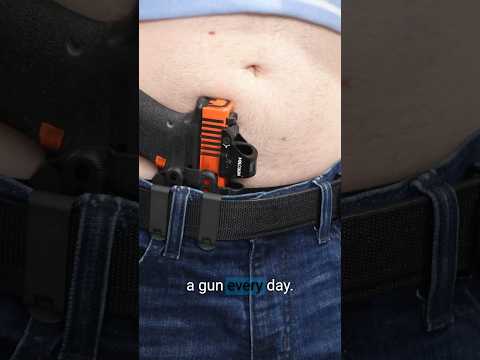
5 Worst Self Defense Weapons

Published on January 19, 2026
Duration: 5:38

This video, presented by Firearms Instructor Will Workman, critically evaluates common self-defense tools, highlighting their potential ineffectiveness and legal risks. It advises caution against stun guns, folding knives, batons, and brass knuckles, while also noting the escalation risks associated with pepperball guns due to their resemblance to real firearms. The expert assessment emphasizes understanding legal boundaries and the practical limitations of these items in real-world self-defense scenarios.


Quick Summary

Firearms Instructor Will Workman warns against common self-defense tools like stun guns, folding knives, batons, and brass knuckles due to their ineffectiveness against determined attackers, slow deployment, and significant legal risks. He also highlights the danger of pepperball guns being mistaken for real firearms, leading to potentially tragic escalations.

Chapters

  1. 00:00Introduction to Risky Self-Defense Weapons
  2. 01:11Stun Guns vs. Tasers & Ineffectiveness
  3. 01:51Problems with Folding Knives
  4. 02:59Legal and Practical Issues with Batons
  5. 03:45Illegality of Brass Knuckles & Striking Tools
  6. 04:23Risks of Pepperball Guns

Frequently Asked Questions

What are the main reasons folding knives are considered poor choices for self-defense?

Folding knives are criticized for self-defense due to their slow deployment speeds under stress. Legally, they are always considered deadly weapons, which can create significant risk in situations where only non-deadly force is justified or perceived.

Why are stun guns often ineffective for self-defense?

Stun guns rely on pain compliance, a method that is frequently ineffective against individuals who are highly motivated, intoxicated, or experiencing an adrenaline surge, rendering the pain compliance aspect useless.

What are the legal and practical concerns with carrying a baton for self-defense?

Batons are legally complex and often classified as deadly force, especially if used to strike the head. Practically, they are bulky, slow to deploy, and many law enforcement agencies have reduced their reliance on them.

What is the primary danger associated with pepperball guns?

The primary danger with pepperball guns is their visual similarity to real firearms. This resemblance can lead bystanders or law enforcement to mistake them for lethal weapons, potentially causing tragic escalations.

Related News

All News →

More Self Defense Videos You Might Like

More from Modern Protector

View all →