This video compares pepper spray and Tasers for self-defense, with the speaker strongly preferring pepper spray based on personal experience. They detail the effects of each, emphasizing the prolonged discomfort of pepper spray versus the temporary incapacitation of a Taser. The presenter also demonstrates the use of Saber Red practice and live pepper spray, highlighting the importance of familiarity and proper aiming.
This guide details the operation of the TASER Bolt 2, a non-lethal personal defense device. It covers installation, deployment, and the incapacitation duration. The video emphasizes the device's integrated light and laser for aiming and the effectiveness of its prongs. Instruction comes from an experienced speaker with clear demonstrations.
This video analyzes a SWAT operation involving a barricaded suspect. It highlights the deployment of the Lenco BearCat armored vehicle, the use of less-lethal tools like 'Knocker Guns' and tri-chamber grenades, and critiques tactical communication and gear placement. The incident culminated in a breach, a suspect attack with a knife, and the eventual use of lethal force. The analysis emphasizes lessons learned in real-world tactical scenarios.
This video, presented by Firearms Instructor Will Workman, critically evaluates common self-defense tools, highlighting their potential ineffectiveness and legal risks. It advises caution against stun guns, folding knives, batons, and brass knuckles, while also noting the escalation risks associated with pepperball guns due to their resemblance to real firearms. The expert assessment emphasizes understanding legal boundaries and the practical limitations of these items in real-world self-defense scenarios.
This video from Active Self Protection analyzes a physical altercation involving Grand Junction officers at a Walmart. Experts John Correia and Neil Weidner break down the incident, focusing on the realities of intense physical fights, the effectiveness and limitations of less-lethal tools like Tasers against heavy clothing, and the critical importance of proper grappling mechanics and center of gravity. The analysis highlights the need for supplemental empty-handed skills training for law enforcement.
This video analyzes a critical incident in Oklahoma City where officers responded to a machete-wielding suspect. The analysis, presented by John Correia and Mike Willever of Active Self Protection, details the sequence of events, including the failure of de-escalation attempts and less-lethal options (tasers, 40mm impact round), ultimately leading to the deployment of lethal force. The expert commentary highlights tactical considerations, communication strategies, and the limitations of various tools in high-stress encounters.
This video features Nikko Ortiz reacting to various painful and humorous TikTok clips. While not a direct instructional video, it touches upon law enforcement interactions, combat sports techniques, and safety hazards. The content is presented with a high-energy, humorous tone from an influencer with a background suggesting familiarity with tactical and military interests, evidenced by his extensive firearm collection.
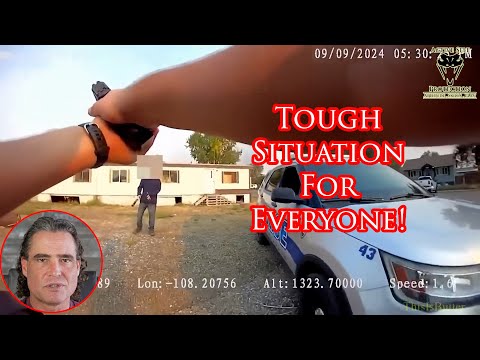
This video from Active Self Protection showcases a critical incident in Eagle Point, Oregon, where a police chief and responding officers encountered a suspect, Ronnie Wolf Cates, with a history of sexual assault. The situation escalated when Cates produced a knife and attacked an officer, leading to a police shooting. The analysis highlights the chief's initial de-escalation attempts, the rapid escalation by the suspect, and the critical importance of immediate medical response and equipment reliability, noting a firearm malfunction during the encounter.
This entry synthesizes insights from Nikko Ortiz's video, focusing on the use and implications of Conducted Energy Devices (CEDs) like the Taser. It highlights the importance of understanding the 'great power and great responsibility' associated with such tools, particularly in law enforcement contexts and self-defense scenarios. The content emphasizes accountability for erratic behavior and the potential dangers of escalating confrontations, drawing from Ortiz's high-authority commentary within the tactical and veteran community.
This video analyzes a critical incident where Wyoming officers responded to a man wielding a baseball bat. The analysis, led by experts John Correia and Mike Willever, breaks down the tactical decisions, human performance factors, and the effectiveness of less-lethal options. It highlights the challenges officers face in de-escalation and the unfortunate necessity of deadly force in certain high-stress encounters.
This video analyzes a Florida deputy's escalation of a neighbor dispute, highlighting a failure to de-escalate and inappropriate use of force. The analysis emphasizes the importance of de-escalation techniques, proper use of less-lethal options like OC spray over tasers in certain situations, and the dangers of introducing firearms unnecessarily. It critiques the deputy's actions, including drawing a firearm and firing shots, suggesting a lack of justification and potential legal ramifications.
This guide outlines steps for citizen intervention during an armed robbery, drawing from a video featuring Nikko Ortiz. It emphasizes observation, cautious approach, suspect detention using techniques like grappling or a rear-naked choke, and maintaining control until authorities arrive. The guide also touches upon the use of self-defense tools like stun guns and the importance of situational awareness.
Gun Laws by State
Read firearms regulations for all 50 states + D.C.
Find Gun Dealers
Search licensed FFL dealers near you.