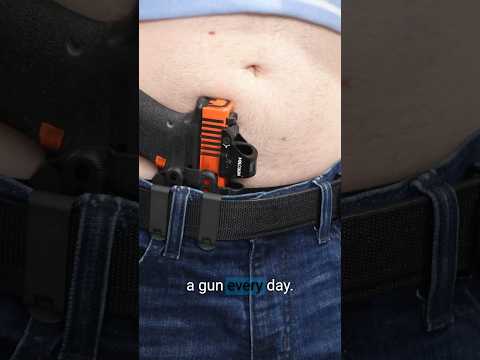
Be Real About Your Self Defense

Published on January 14, 2024
Duration: 0:27

This video emphasizes that effective self-defense extends beyond firearm proficiency to include preparedness for unarmed attackers and crucial post-incident medical care. It highlights common oversights in concealed carrier training, stressing the importance of trauma care skills like stopping severe bleeding.

Quick Summary

Comprehensive self-defense requires more than just firearm skills. It includes preparedness for unarmed attackers and essential trauma care, such as stopping severe bleeding. Neglecting these aspects leaves individuals vulnerable in critical situations.

Chapters

  1. 00:00Beyond Carrying a Gun
  2. 00:05Unarmed vs. Armed Attackers
  3. 00:13Post-Shooting Medical Preparedness
  4. 00:20Importance of Trauma Care

Frequently Asked Questions

What critical aspects of self-defense do many concealed carriers overlook?

Many concealed carriers focus exclusively on fighting armed attackers and often neglect preparedness for unarmed assailants. Additionally, crucial post-incident medical skills, such as stopping severe bleeding and treating victims, are frequently overlooked in typical training.

Why is trauma care essential for self-defense readiness?

The ability to provide immediate trauma care, like stopping severe bleeding, is a vital component of comprehensive self-defense. This skill set is crucial for managing injuries sustained by oneself or others after a violent encounter, regardless of whether a firearm was involved.

What practical steps can individuals take to improve their self-defense beyond firearm proficiency?

Individuals should actively seek training for scenarios involving unarmed attackers. Furthermore, acquiring and practicing essential trauma care skills, such as the proper application of tourniquets and chest seals, significantly enhances overall self-defense readiness.

Related News

All News →

More Self Defense Videos You Might Like

More from Modern Protector

View all →