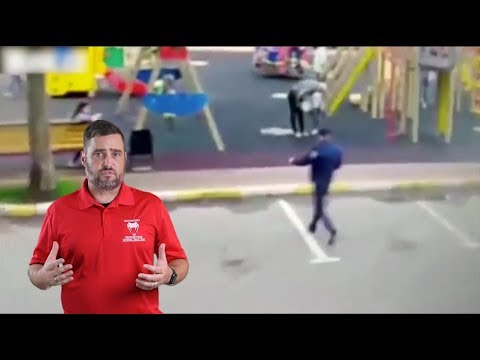
Bystanders Hesitate to Help Woman in Need | Active Self Protection

Published on January 2, 2018
Duration: 4:00

This video analyzes a domestic dispute where a bystander hesitated to intervene in a knife attack. It highlights the critical 'force deficit' faced by unarmed individuals against armed assailants, emphasizing the need for preparedness and 'spiritual fitness' to act decisively. The content stresses that intervention requires more than just willingness; it demands specific skills and a plan to overcome the attacker's advantage.

Quick Summary

The 'force deficit' describes the disadvantage of being unarmed against an armed attacker. 'Spiritual fitness' means being mentally prepared for extreme danger. Effective intervention requires skills, a plan, and overcoming hesitation, as bystanders often lack readiness against sudden violence.

Chapters

  1. 00:00Introduction: Bystander Role, Environmental Weapons, Spiritual Fitness
  2. 00:37Incident Analysis: Knife Attack in Clothing Store
  3. 01:29Defensive Lessons: Emotional Fitness & Readiness
  4. 02:04Bystander Intervention & Force Multipliers
  5. 02:59Spiritual Fitness & Conclusion

Frequently Asked Questions

What is the 'force deficit' discussed in the video?

The 'force deficit' refers to the significant disadvantage an unarmed individual faces when confronting an attacker who is armed, particularly with a deadly weapon like a knife. It highlights the lack of comparable offensive or defensive capability.

Why is 'spiritual fitness' important for self-defense?

'Spiritual fitness' in this context means being mentally and emotionally prepared to face the ultimate consequences, including death. It implies a readiness to act decisively and courageously when confronted with extreme danger.

What challenges do bystanders face when intervening in attacks?

Bystanders often face a 'force deficit' if unarmed against an armed attacker. They may also lack the emotional fitness, specific skills, or a clear plan needed to intervene effectively and safely, risking becoming a victim themselves.

What lessons can be learned from the bystander effect in violent incidents?

The bystander effect highlights that mere presence doesn't guarantee intervention. It underscores the need for individuals to cultivate skills, preparedness, and a willingness to act, recognizing the risks and potential consequences of inaction.

Related News

All News →

More Self Defense Videos You Might Like

More from Active Self Protection

View all →