Store Owner Shoots Back At Armed Robbers

Published on April 29, 2015
Duration: 3:11

This video from Active Self Protection analyzes a self-defense incident where a store owner engaged armed robbers. Key takeaways emphasize the critical importance of immediate firearm readiness, the distinction between cover and concealment, and the necessity of effective tactical movement during a deadly force encounter. The analysis highlights lessons on fighting through injuries and maintaining a strong combat mindset.

Quick Summary

Key lessons from the store owner's self-defense incident highlight the speed of deadly force encounters, the necessity of immediate firearm readiness, the distinction between cover and concealment, and effective tactical movement. Experts emphasize fighting through injuries and maintaining a strong combat mindset.

Chapters

  1. 00:00Introduction and Context
  2. 00:22The Robbery Incident
  3. 01:04Firearm Readiness Analysis
  4. 01:40Cover vs. Concealment
  5. 02:01Tactical Movement
  6. 02:30Mindset and Conclusion

Frequently Asked Questions

What are the key lessons from the store owner's self-defense incident?

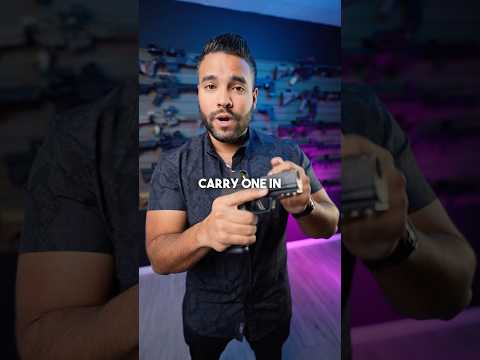
Key lessons include the extreme speed of deadly force encounters, the critical need for immediate firearm readiness (e.g., carrying 'Condition One'), understanding the difference between cover and concealment, and employing effective tactical movement like lateral shifts.

Why is firearm readiness crucial in self-defense situations?

In fast-paced deadly force encounters, seconds count. A firearm that isn't immediately accessible or ready to fire (requiring actions like chambering a round) can lead to critical delays, potentially costing the defender their life.

What is the difference between cover and concealment in a gunfight?

Concealment hides you from view but doesn't stop bullets (like a shop desk). Cover provides ballistic protection, stopping projectiles. While a desk may not offer cover, it can provide psychological cover if attackers don't attempt to shoot through it.

What tactical movement is recommended during a gunfight?

Instead of moving straight backward, which allows attackers to maintain their aim, experts recommend moving laterally. This forces the aggressor to adjust their point of aim, making it harder for them to track and hit the defender.

Related News

All News →

More Self Defense Videos You Might Like

More from Active Self Protection

View all →