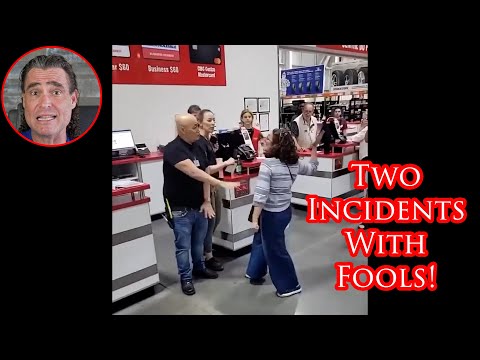
Washington County Inmate Jumps Deputy

Published on November 7, 2019
Duration: 6:45

This video analyzes a jail incident where an inmate attacked a deputy, highlighting the critical importance of empty-handed defensive skills and maintaining a reactionary gap. It emphasizes that even with tools, fundamental striking and grappling abilities are essential for survival in close-quarters confrontations. The analysis also touches on civilian intervention and the complexities of ground control.

Quick Summary

The analysis stresses the importance of empty-handed skills like striking and grappling, and maintaining a reactionary gap of at least six feet for effective self-defense. It highlights that even with tools, fundamental combative abilities are vital for close-quarters confrontations.

Chapters

  1. 00:00Introduction & Sponsor
  2. 00:29Incident Overview: Inmate Attack
  3. 02:02Reactionary Gap Explained
  4. 03:33Empty-Handed Defensive Skills
  5. 04:29Managing Close-Quarters Tangles
  6. 05:19Assisting Law Enforcement Safely

Frequently Asked Questions

What are the key takeaways from the Washington County inmate attack video analysis?

The analysis emphasizes the critical need for empty-handed skills like striking and grappling, maintaining a reactionary gap of at least six feet, and the unpredictable nature of inmate aggression. It also advises civilians on how to assist law enforcement safely.

Why is the reactionary gap important in self-defense scenarios?

The reactionary gap is crucial because it provides the necessary time (approximately 1 second) to recognize a threat and initiate a physical response. Maintaining a distance of at least six feet allows for a better chance to defend oneself before an attacker can make contact.

What role do empty-handed skills play in law enforcement and self-defense?

Empty-handed skills, such as boxing and wrestling, are fundamental for managing close-quarters confrontations, striking, and grappling. They are essential even when carrying tools, as they provide a baseline defense when other options are unavailable or ineffective.

How should civilians assist law enforcement officers in a dangerous situation?

Civilians wishing to help should clearly announce their intentions to the officer to avoid being perceived as an additional threat. Understanding the complexities of physical altercations, especially ground control, is also important.

Related News

All News →

More Self Defense Videos You Might Like

More from Active Self Protection

View all →