AR-15 Furniture Considerations

Published on April 5, 2024
Duration: 15:18

This guide from TREX ARMORY provides expert considerations for selecting AR-15 furniture, focusing on how pistol grips, foregrips, and stocks interact with optics, shooting techniques, and ergonomics. Key takeaways include matching grip angle to optic eye relief and length of pull, utilizing foregrips for light/laser activation and counter-pressure, and considering stock thickness for cheek weld with tall optics. The advice emphasizes practical application for various shooting scenarios, from standard barricades to unconventional supports.

Quick Summary

When selecting AR-15 furniture, consider how pistol grip angle affects ergonomics with your optic's eye relief and length of pull. More vertical grips often pair well with LPVOs, while foregrips are useful for light/laser activation and counter-pressure, especially with side-mounted buttons.

Chapters

  1. 00:00Introduction to AR-15 Furniture
  2. 00:21Pistol Grip Considerations
  3. 01:01Pistol Grips & LPVOs
  4. 01:54Pistol Grips & Short Eye Relief Optics
  5. 02:31Length of Pull vs. Grip Angle
  6. 03:24BCM Gunfighter Grip Analysis
  7. 04:03Trigger Guard Considerations
  8. 05:11Foregrip Options
  9. 05:55Foregrips: Barricades & Activation
  10. 06:36Foregrip for Counter-Pressure
  11. 07:32Foregrips as Reference Point
  12. 08:22Rail Girth & Grip Choice
  13. 09:08Barricade Shooting & Grip Choice
  14. 09:44Stock Selection
  15. 10:14Stocks & Optic Heights
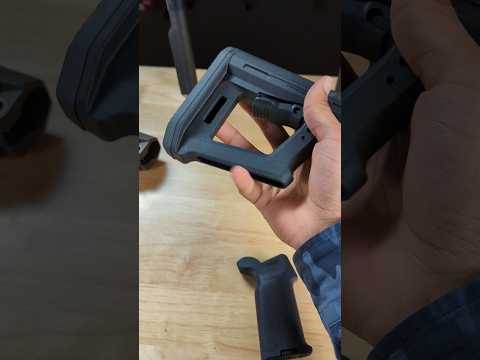
  16. 11:18Example Stock Models
  17. 11:24BCM Stocks
  18. 11:50Magpul CTR Stock
  19. 12:25B5 SOPMOD Stock
  20. 12:53Fixed Stocks
  21. 13:27Favorite Furniture Setup
  22. 14:15Favorite Setup Example 2
  23. 14:41Conclusion: Training vs. Gear

Frequently Asked Questions

How does pistol grip angle affect AR-15 ergonomics with different optics?

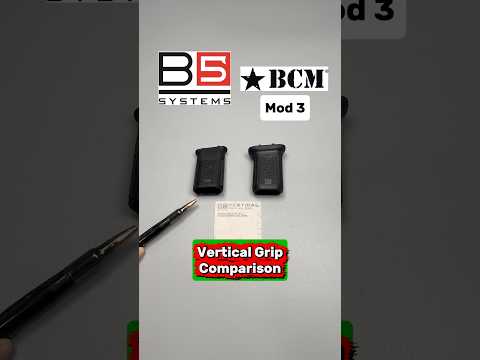
The angle of your pistol grip is crucial. More vertical grips, like the BCM Gunfighter or B5, can improve ergonomics with optics requiring a longer eye relief (e.g., LPVOs) by allowing a more natural wrist position and better alignment with the optic.

What is the role of a vertical foregrip on an AR-15?

A vertical foregrip or handbrake on an AR-15 serves multiple purposes. It can provide a stable point for counter-pressure when activating lights or lasers, reduce hand fatigue, and offer a reference point for hand placement.

How should I choose an AR-15 stock based on my optic setup?

Consider your optic's height. Taller optics or those with risers may benefit from fatter stocks or those with wider cheek rests, providing a more stable and comfortable cheek weld for consistent sight acquisition.

When is a vertical foregrip less necessary on an AR-15?

If all your weapon control buttons (for lights, lasers, etc.) are located on the top of the handguard, you might not need a vertical foregrip. In such cases, rail covers or a handbrake might suffice for comfort and heat dissipation.

Related News

All News →

More Tactical & Gear Videos You Might Like

More from TREX ARMORY

View all →