AR Suppressor Guide

Published on January 12, 2026
Duration: 12:16

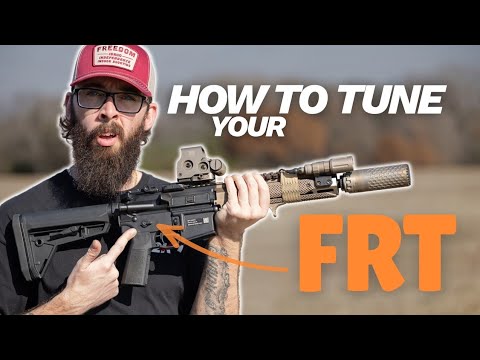
This guide from 704 Tactical provides essential knowledge for suppressing AR-15 platforms. It details various suppressor types, including direct thread, hub mount, and low back pressure options, and explains how to diagnose and tune an AR-15's gas system for reliable suppressed operation. Key tuning methods involve adjusting buffer weights, recoil springs, and utilizing specialized BCGs and charging handles to mitigate excess gas.


Quick Summary

For AR-15 suppressors, direct thread options are affordable and durable, while hub-compatible suppressors offer modularity for interchangeable mounting systems. Low back pressure cans help mitigate overgassing. Tuning an overgassed AR-15 for suppressed fire involves adjusting buffer weights, recoil springs, or using specialized BCGs and charging handles to manage gas.

Chapters

  1. 00:00Introduction to AR Suppressors
  2. 00:59Types of AR Suppressors
  3. 01:08Direct Thread Suppressors
  4. 02:45Hub Attachment / Quick Attach Systems
  5. 03:39Example: Griffin Armament & CMMG
  6. 03:48Example: Aero Precision & Dead Air Keymo
  7. 04:03Hub Thread Direct Thread Attachment
  8. 04:25Plan B Mounting System
  9. 04:43Low Back Pressure Suppressors
  10. 05:35Proprietary vs. Hub Mounts
  11. 06:10Sig SRD556 Example
  12. 06:48Lightweight Titanium Suppressors
  13. 07:19Understanding AR-15 Gas Systems
  14. 08:00Diagnosing Gas System: Ejection Patterns
  15. 09:50Tuning for Overgassed Rifles
  16. 10:08Gas Mitigating Charging Handles
  17. 10:16Vented Bolt Carrier Groups (BCGs)
  18. 10:58Recoil Springs and Buffer Weights
  19. 11:34Summary of Tuning Options
  20. 11:51Conclusion & Community Forum

Frequently Asked Questions

What are the main types of suppressors for AR-15s?

The primary types of AR-15 suppressors include direct thread, which screws directly onto the barrel threads, and quick attach systems that use a muzzle device. Hub-compatible suppressors offer modularity, allowing various mounting systems to attach to a standardized hub.

How can I tell if my AR-15 is overgassed when suppressed?

An overgassed AR-15 typically ejects spent casings between the 1 and 2 o'clock positions. Adding a suppressor exacerbates this, potentially causing malfunctions. A balanced system ejects casings around 3 o'clock.

What modifications can I make to tune an overgassed AR-15 for suppressed use?

To tune an overgassed AR-15, consider a low back pressure suppressor, a gas-mitigating charging handle, a downward-venting BCG, heavier buffer weights (H2, H3), or stronger recoil springs to slow the action.

Why are hub-compatible suppressors recommended for AR-15s?

Hub-compatible suppressors are recommended because they utilize a standardized hub thread pitch, allowing users to swap between various mounting systems like direct thread, quick detach, or muzzle brakes, offering significant future modularity and adaptability.

More Tactical & Gear Videos You Might Like

More from 704 TACTICAL

View all →